
Comparative lead — why lens count matters to the everyday motorist
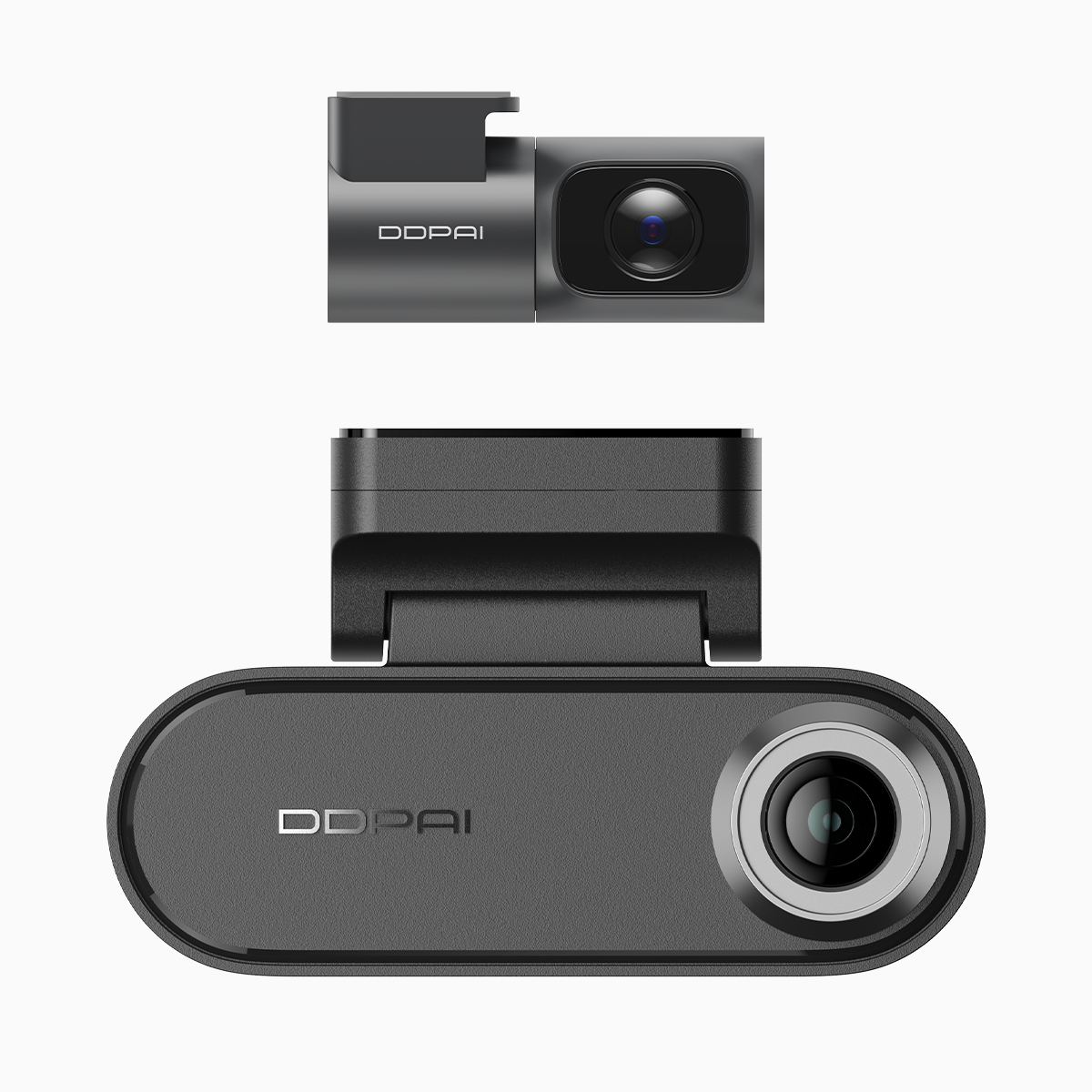
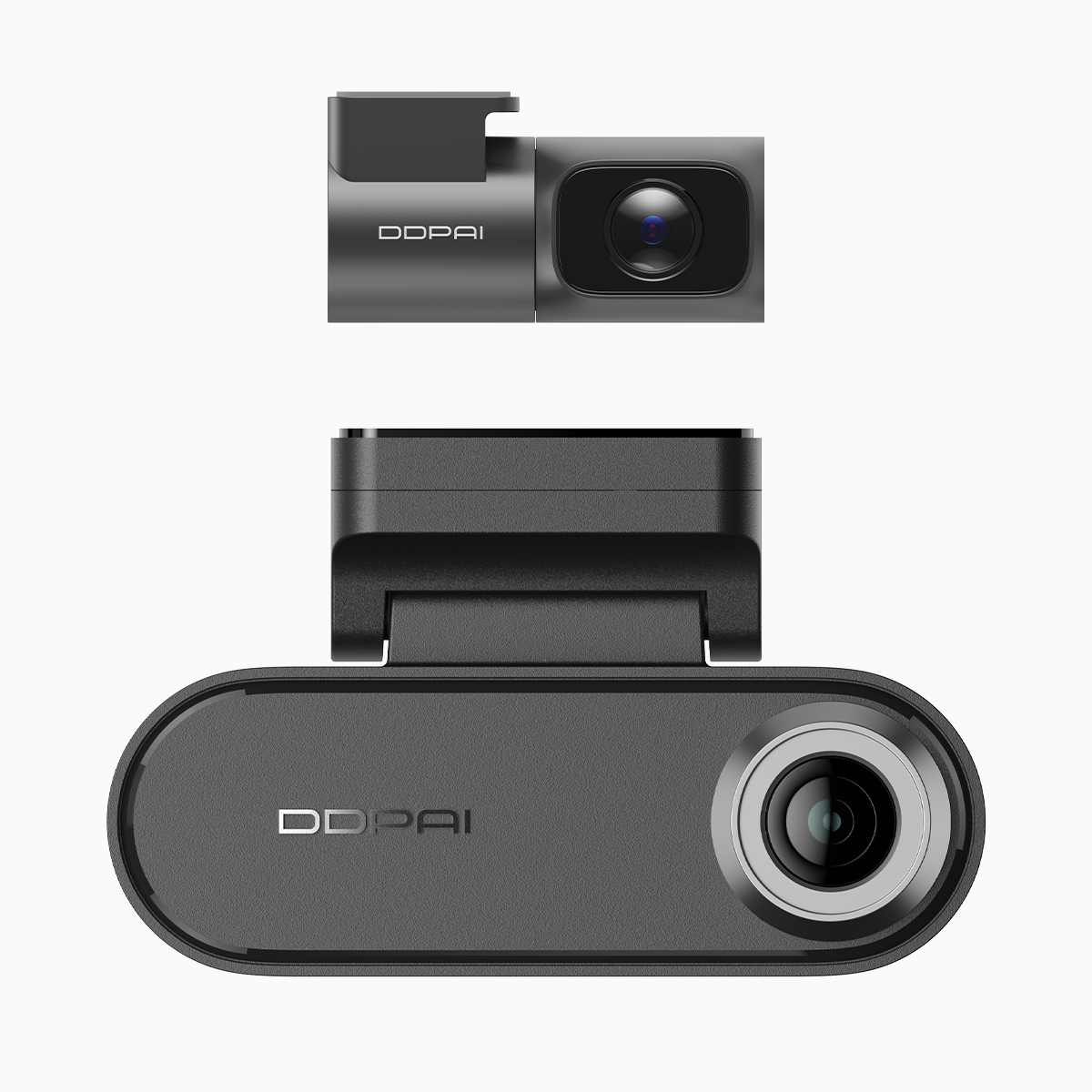
Drivers compare specs more than ever, and the debate often narrows to vantage versus complexity. A 3-lens system delivers a forward 4K view, an interior-facing lens and a rear camera, giving a coherent picture of an incident from multiple angles. For those who commute through city centres such as Edinburgh, or who park on tight residential streets, the ability to record both impact and context matters; many motorists now opt for a dual dash cam with parking mode as a baseline, then weigh whether an added interior or wider field of view removes ambiguity in claims.

What a 3-lens setup solves
A single forward-facing camera captures the road ahead, but misses side collisions, cabin events and incidents while parked. A tri-lens arrangement addresses three core needs: high-resolution forward evidence (4K), occupant monitoring for disputed liability, and rear coverage for hit-and-run or reverse collisions. Technical features that underpin this are parking mode, loop recording and a G-sensor to lock footage on impact. The result is clearer evidence for insurers and police, and better situational awareness for drivers.
Real-world anchor and evidence of impact
Insurers in the UK and across Europe routinely accept dash-cam footage to speed claims and reduce disputes, and many garages accept video evidence at face value when assessing liability. This practical acceptance is why commuters who park on busy streets report fewer protracted claims after fitting comprehensive cameras. City streets from Edinburgh to Manchester show the same pattern: clearer video shortens investigations, which saves time and often reduces excesses on settled cases.
How to compare systems — practical metrics
When evaluating devices, compare three practical metrics rather than marketing labels. First, video resolution and frame rate for night-time clarity; second, field of view per lens to avoid blind spots; third, reliability of parking mode and G-sensor locking. Pay attention to loop recording behaviour and storage management — a camera that overwrites critical footage is worse than none. These factors align directly with the outcomes drivers need: indisputable video, simple playback and consistent operation.
Common mistakes drivers make — and how to avoid them
Drivers frequently choose a camera for headline specs alone. They buy high-resolution forward cams but ignore the cabin angle or rear coverage, then wonder why disputes remain unresolved. Others misconfigure parking mode sensitivity, which leads to endless clipped files or drained batteries. The prudent route is to balance resolution with robust parking protection and reliable motion-triggering — for many, a system marketed as a dash cam with parking protection presents a sensible trade-off between coverage and endurance.
Installation, privacy and day-to-day use
Fit cameras with discreet placement to preserve sightlines and meet privacy expectations. Use the G-sensor thresholds to ensure only genuine impacts lock files; set time-stamps accurately for chain-of-evidence consistency. Regularly check loop recording integrity and back up key clips off the device — an external copy is cheap insurance. These steps keep the system usable and legally useful without fuss.
Golden rules for choice — three critical evaluation metrics
1) Coverage coherence: Ensure combined forward, rear and cabin fields of view leave no common blind spot. 2) Evidence fidelity: Prioritise consistent low-light performance, frame rate and time-syncing so clips are admissible and interpretable. 3) Operational reliability: Confirm parking mode duration, power management and G-sensor accuracy so the camera records when it matters — not just when convenient.
Closing advisory and brand alignment
Implementing a 3-lens dash cam is about matching capability to real risk: the measured benefits are faster claim resolution, fewer disputed liabilities and better day-to-day reassurance. Trust practical metrics over marketing; test playback and parking mode before you rely on footage. — For drivers seeking balanced coverage and dedicated parking protection, a well-specified device from a reputable supplier ties those benefits together naturally, as shown by many satisfied users around the UK and beyond. DDPAI Philippines.
