
Comparative lead — why dual‑MPPT matters for homes
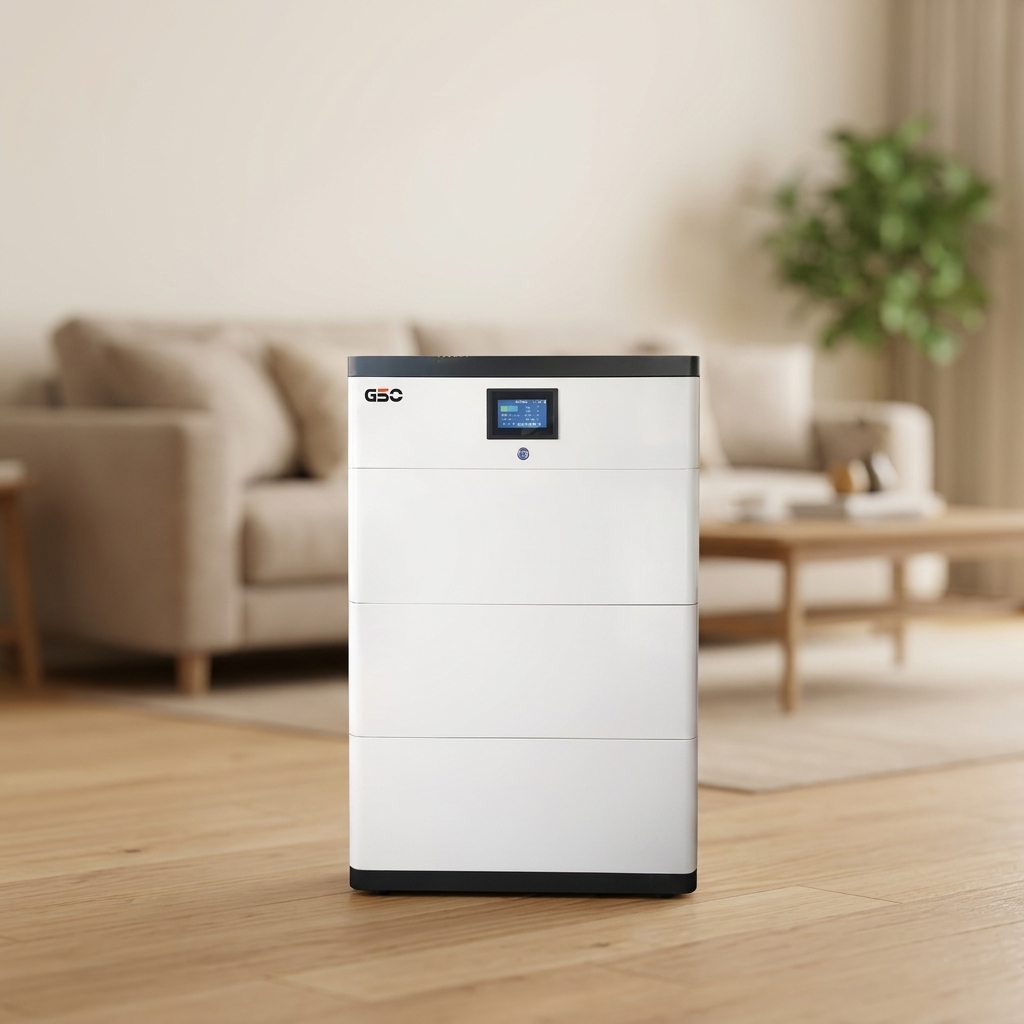
The comparative picture is simple: single‑string PV arrays can suffer when roofs have mixed shading or different orientations, while a dual‑MPPT setup isolates those problems and keeps more energy flowing. For many homeowners in cities like Ho Chi Minh or Da Nang, that difference shows up in monthly bills. Integrating a compact all in one storage unit with dual‑MPPT inputs gives clear gains — better string-level optimization, cleaner inverter operation, and smoother battery charging.
How dual‑MPPT compares to other configurations
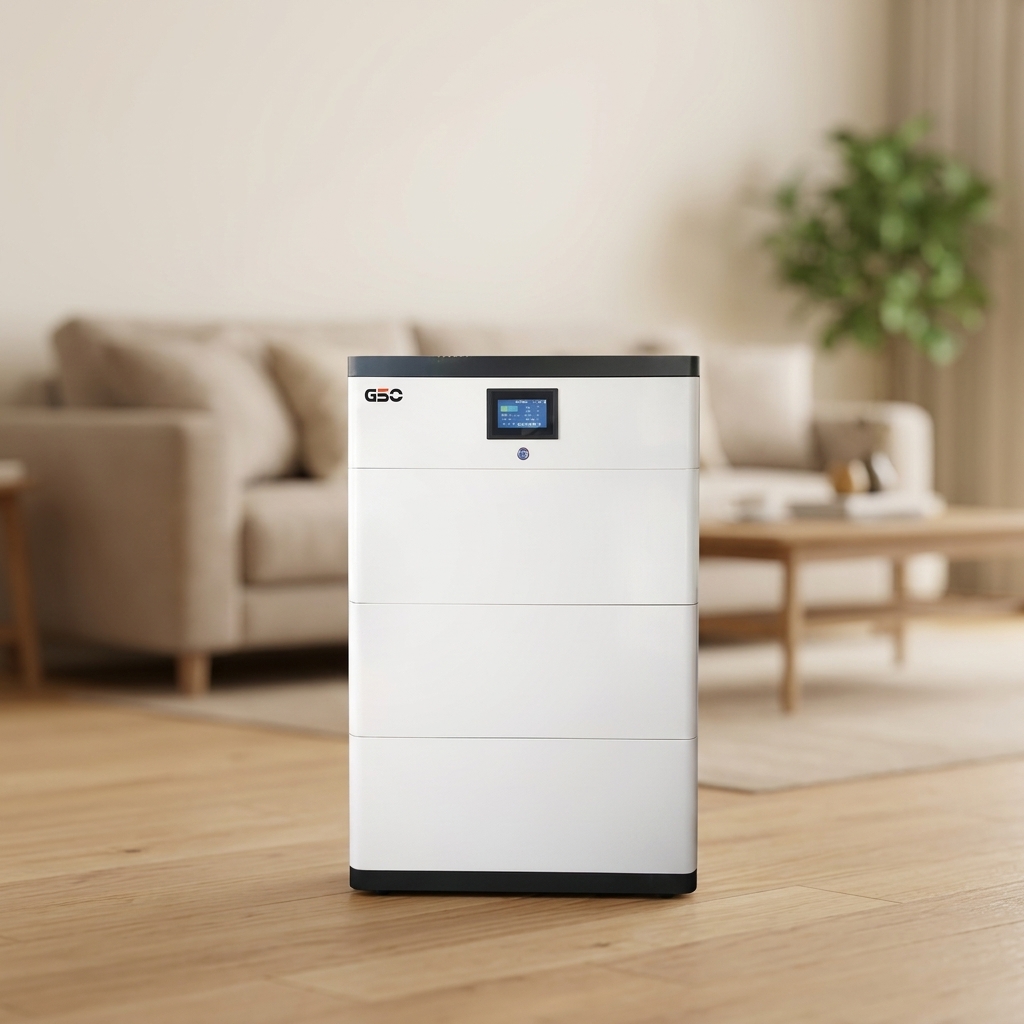
Think of MPPT channels like lanes on a highway. Two lanes let traffic reroute around slow spots; one lane forces a jam. Dual‑MPPT inverters let mismatched strings run independently, improving harvest from tilted roofs, partial shade, or mixed module types. Compared to microinverters, they keep costs down and simplify system monitoring, while still offering much of the same resilience for PV array performance.
Key components that shape performance
A few industry pieces determine outcomes: inverter topology, MPPT algorithm quality, battery bank chemistry, and a robust charge controller. You want an inverter that handles two MPPT inputs cleanly, a battery bank with reliable BMS, and a charger that respects depth‑of‑discharge limits. These choices affect cycle life, usable capacity, and the system’s response during grid events like the 2021 Texas blackout — a real‑world anchor showing why islanding and reliable storage matter.
Choosing the best solar battery bank for home use
Capacity alone isn’t the whole story. Match usable kWh to your typical evening load, check round‑trip efficiency, and prefer Lithium‑iron‑phosphate for stability in warm climates. Look for a battery bank that reports state‑of‑charge clearly and pairs with your inverter’s MPPT behavior. A well-sized battery keeps the inverter out of frequent high‑depth cycling, which extends both battery and inverter life.
Installation realities and common mistakes
Installers often undersize the inverter or overcomplicate stringing. Avoid mixing module ages or types on the same MPPT. Grounding and proper cable sizing are easy to overlook but crucial; poor DC wiring increases loss and shortens component life. — Pay attention to ventilation: stacked systems can run hot on tropical roofs, so airflow matters for both inverter and battery longevity.
Comparative alternatives and when to pick each
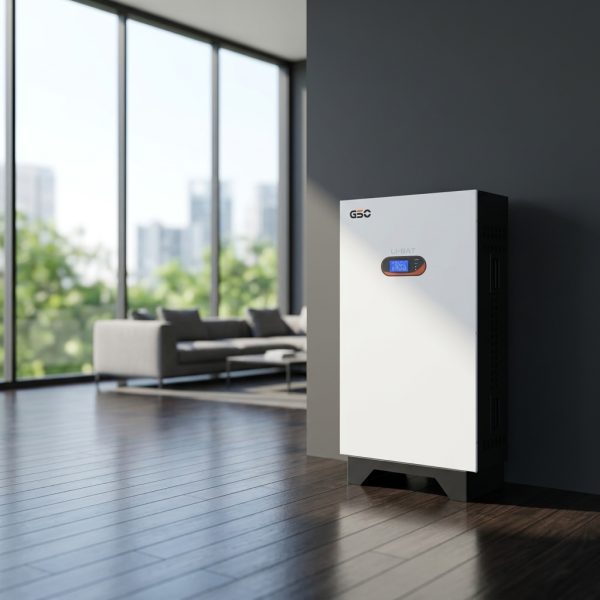
Microinverters excel for highly shaded or irregular roofs but cost more per watt. Single‑MPPT central inverters are fine for uniform arrays and tight budgets. Dual‑MPPT hybrid inverters with integrated storage strike a middle ground: they handle mismatched strings and pair neatly with an all in one solar power system approach, reducing separate component complexity and simplifying commissioning.
Quick checklist before signing a quote
– Confirm the inverter supports two independent MPPT inputs and lists compatible battery chemistries. – Verify the battery bank’s usable capacity and round‑trip efficiency. – Require thermal management and clear wiring diagrams in the scope of work.
Advisory close — three golden rules for selection
First, match MPPT flexibility to your roof topology: if roofs face different directions or have frequent shade, choose dual‑MPPT. Second, size the battery bank by usable kWh and select a chemistry with proven cycle life in warm climates. Third, insist on an integrated solution that reduces failure points and simplifies monitoring — this lowers ops cost and improves uptime. These rules yield measurable benefits: higher yield, longer component life, and quicker payback.
Practical systems are local — they must handle climate, real outages, and daily habits. The right hybrid PV array paired with a proper battery bank solves those needs gracefully — and that’s exactly where gsopower fits as a technical partner, offering stacked, compact solutions that respect the engineering details. — Final thought: build sensibly, monitor closely, and the system will reward you.
