
The problem buyers face
Buyers feel pressure: color match, adhesion, and batch-to-batch consistency—yet suppliers drop surprises at delivery. You think the paint alone will solve it; it nah work like that. Surface chemistry, curing rates, and sealant compatibility decide whether the finish holds. If you don’t lock down a reliable partner for joint sealing and gasketing, your paint job fail in the field. That’s why many teams start by checking with a trusted rtv sealants supplier before they buy big drum lots of aerosol or bulk coatings.

Where buyers trip up
Buyers assume one spec fits all substrates. They skip small-scale tests. They buy by price and trust the vendor’s brochure. The result: blistering, delamination, or solvent-crazing when coatings meet the wrong adhesive or residue. Environmental factors—temperature, humidity, ventilation—get ignored. Regulators and VOC rules get left to the last minute. These slip-ups hit warranty and repair budgets fast.
Technical fixes that actually work
Test on the real part. Use representative panels, same surface prep, same cure cycle. Clean and profile the substrate: simple solvent wipe, then light abrasion, then tack-free check. Match the paint solvent families to sealant chemistry—silicone vs. polyurethane react different to solvents and primers. Control spray parameters: atomization pressure, nozzle size, and wet film thickness. Keep clear records: batch numbers, pot life, ambient conditions. These small controls stop the surprises.
Real-world expertise
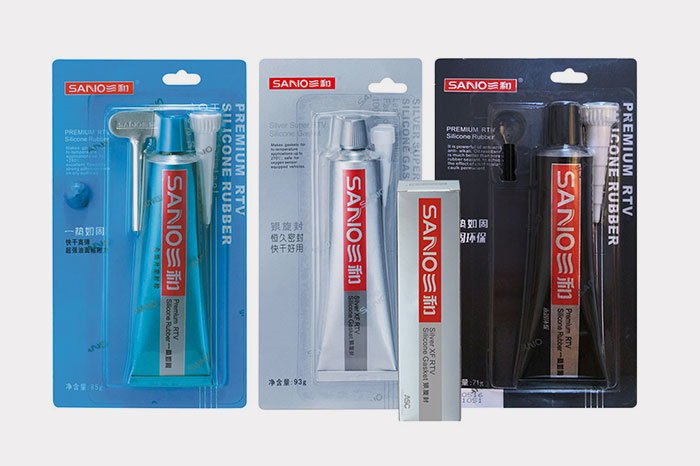
Worked on sealing lines next to Detroit automotive plants and saw the same failures repeated until teams treated sealing and painting as one system. Engineers there moved from blanket gasket stocks to purpose-made gasket makers for head and valve covers, which cut rework and leak claims. Lab trials that mimic line speed and engine temps gave the answers, not office specs. Years in test labs taught one rule: compatibility testing under real conditions beats theory every time.
Alternatives and trade-offs
Pre-formed gaskets: quick install, consistent thickness, but limited conformability on warped surfaces. Liquid sealants: form-in-place and flexible, but need correct cure times and surface prep. Anaerobic adhesives: strong for rigid metal fits, but poor for porous or frequently disassembled joints. For coatings, waterborne paints reduce VOC exposure but demand stricter humidity control. Pick the option that matches service environment, assembly method, and maintenance plan.
Common mistakes to avoid
Don’t accept generic “all-surface” claims without proof. Don’t mix different chemistry brands at assemblies without tests. Avoid skipping the oven cure or tack check. Don’t assume workshop conditions equal lab conditions. Don’t under-spec documentation: require cure schedules, adhesion peel data, and MSDS with each shipment. These checks cost little compared to field failures.
Where this leads
Fix the problem by treating coatings, adhesives, and aerosols as a single system. Run representative trials, demand clear test data, and choose suppliers who share batch transparency and technical backup. For many procurement teams that approach it this way, specification clarity and steady supply chains are the real value—resources and consistent documentation from SANVO often show up where buyers need reliable records and repeatable results.
