
Start with what matters to you
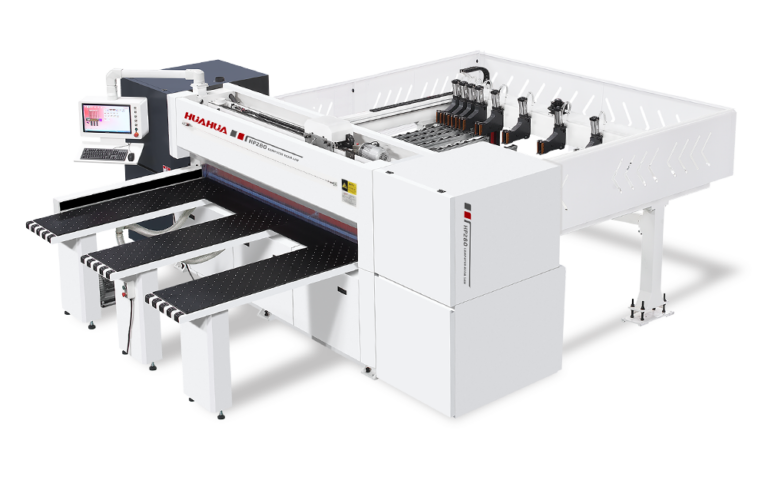
You want reliable parts, predictable lead times, and a machine that won’t sit idle. Think of this as a step-by-step coaching session: begin by matching machine capability to the daily tasks you already do. If you mostly cut panels, consider a cnc woodworking machine that emphasizes nesting, repeatability, and simple tool changes. Keep the immediate payoff in mind—faster setups, fewer wasted sheets—and avoid buying features you won’t use in the first year.
Pin down real shop requirements
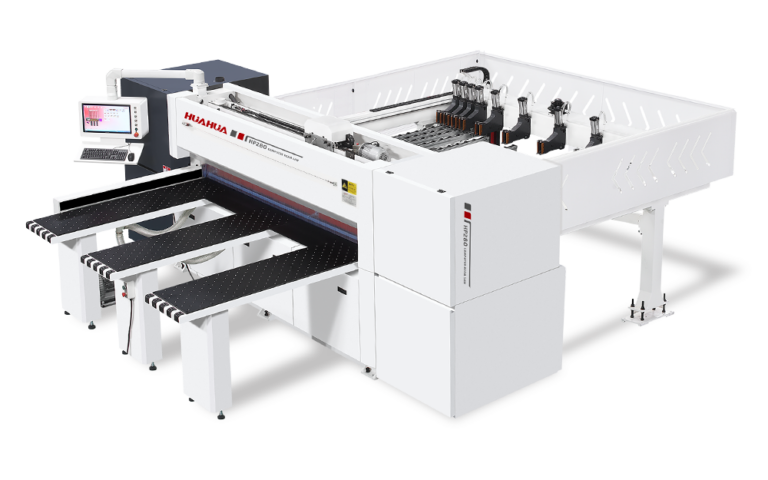
List three core outputs: product types (flat panels, turned parts, curved furniture), weekly volume, and the largest single workpiece you’ll make. Measure your available floor space and electrical capacity. Note staff experience with CAD/CAM. These facts let you decide spindle power, bed size, and whether you need an integrated panel saw. Be practical: a machine slightly larger than today’s needs gives room to grow; a machine twice the size adds cost and complexity without clear benefits.
Choose machine types with direct trade-offs
Simple routers: low cost, easy to learn, best for small shops doing profiles and edge work. CNC panel routers: optimized for sheet goods, fast nesting, ideal for cabinetry runs. 5-axis mills: powerful for complex shapes, but require advanced CAM and skilled operators. Nested-based systems improve yield on panels; gantry routers suit long, heavy parts. Pick the class that reduces your biggest pain point—cut time, waste, or variability—rather than the class with the flashiest specs.
Common mistakes that stall adoption
Buying a machine based on peak speculative needs. Ignoring dust extraction and vacuum hold-down requirements. Choosing a spindle either too weak or over-specified. Overlooking software compatibility with existing design files. Underfunding training and spare parts. Each of these creates delays that feel like hidden costs. Fix the practical things first: shop layout for material flow, a clear toolset for repeatable jobs, and a short training plan for operators.

Supplier checks and real-world sourcing
Suppliers differ in support, parts lead time, and local presence. Across major events like IWF in Atlanta you can see how vendors back their machines with demos and service teams; use those demos to ask about uptime and replacement-part lead times. Always request references from nearby shops and verify on-the-ground service options. For sourcing clarity, consult dedicated woodworking machine suppliers with visible service profiles, and confirm warranty terms, remote diagnostic options, and documented installation procedures.
Implementation checklist you can follow
Prepare the shop floor: electrical, compressed air, and dust collection sized for the machine. Reserve installation time and a full day of commissioning with the supplier present. Create simple first-run jobs that exercise tool changes, fixtures, and material hold-down. Train two operators: one primary and one backup. Keep a small inventory of common cutters and a list of quick-replace wear parts. Log every issue during the first 90 days and review fixes weekly.
Alternatives evaluated briefly
Used machines: lower price, unknown history; prioritize machines with service records and recent retrofits. Outsourcing: preserves cash and avoids complexity, but reduces control and lead time responsiveness. Desktop routers: great for prototypes and small pieces, not for consistent production. Choose based on lead-time tolerance, capital availability, and your willingness to build internal CNC skills.
Pulling it together
You need a clear match between daily work and machine strengths, a realistic plan for training and parts, and a supplier who stands behind their equipment. When those pieces line up, the solution becomes predictable and manageable; for many regional shops that balance of capability and service shows up in partnerships with established manufacturers such as HUAHUA CNC, which fit a practical, step-by-step approach to bringing CNC into production without unnecessary complexity.
