
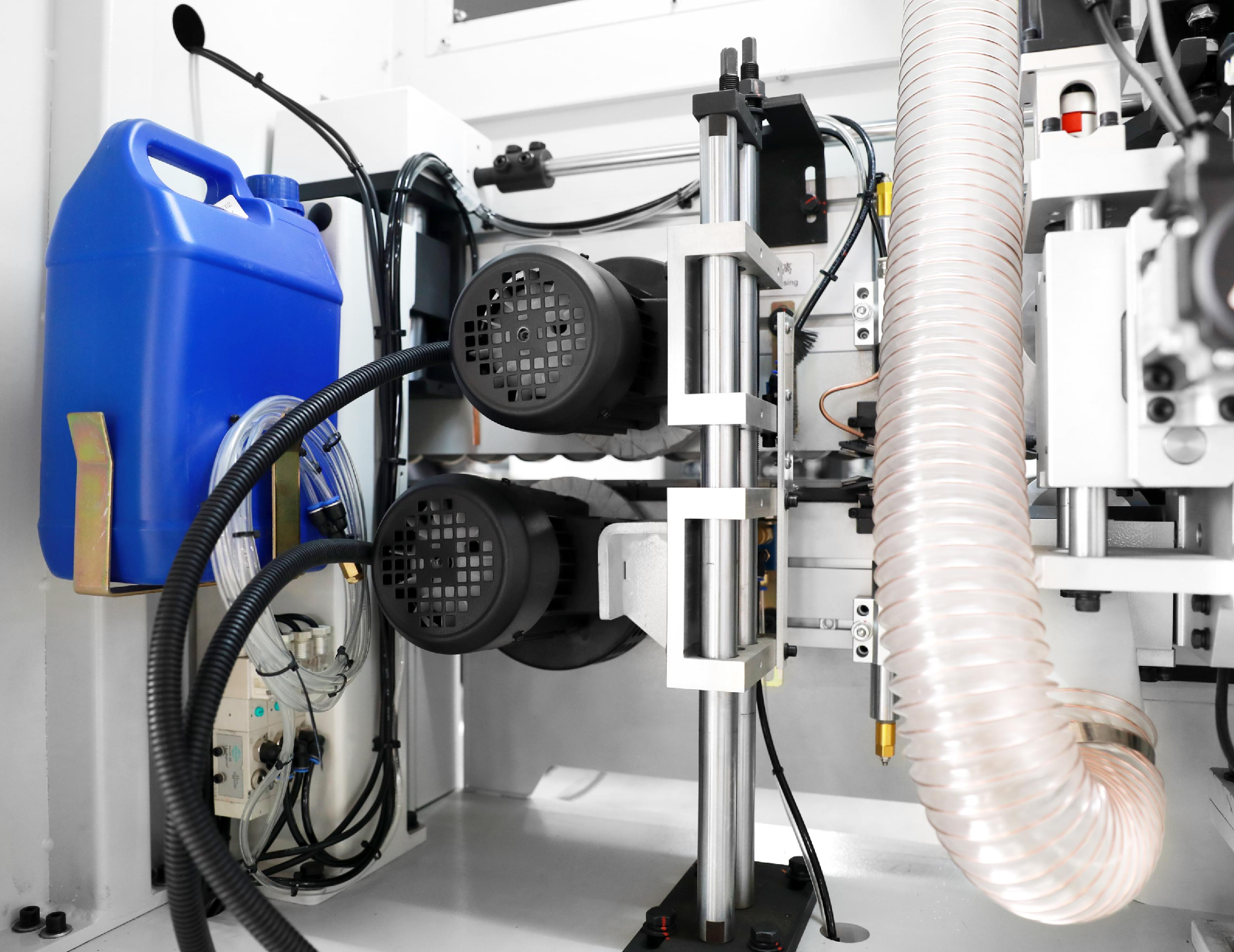
Problem: the slow grind that kills profit
Yo, shops get stuck on the same hustle—manual jiggin’, misaligned holes, and slow cycle times. That bottleneck eats margins and vibes. A tight setup plus a dependable router or boring rig keeps rhythm. Pairing that with a servo edge banding machine for finishing moves cuts handwork, trims cycle time, and keeps the line flowing smooth.
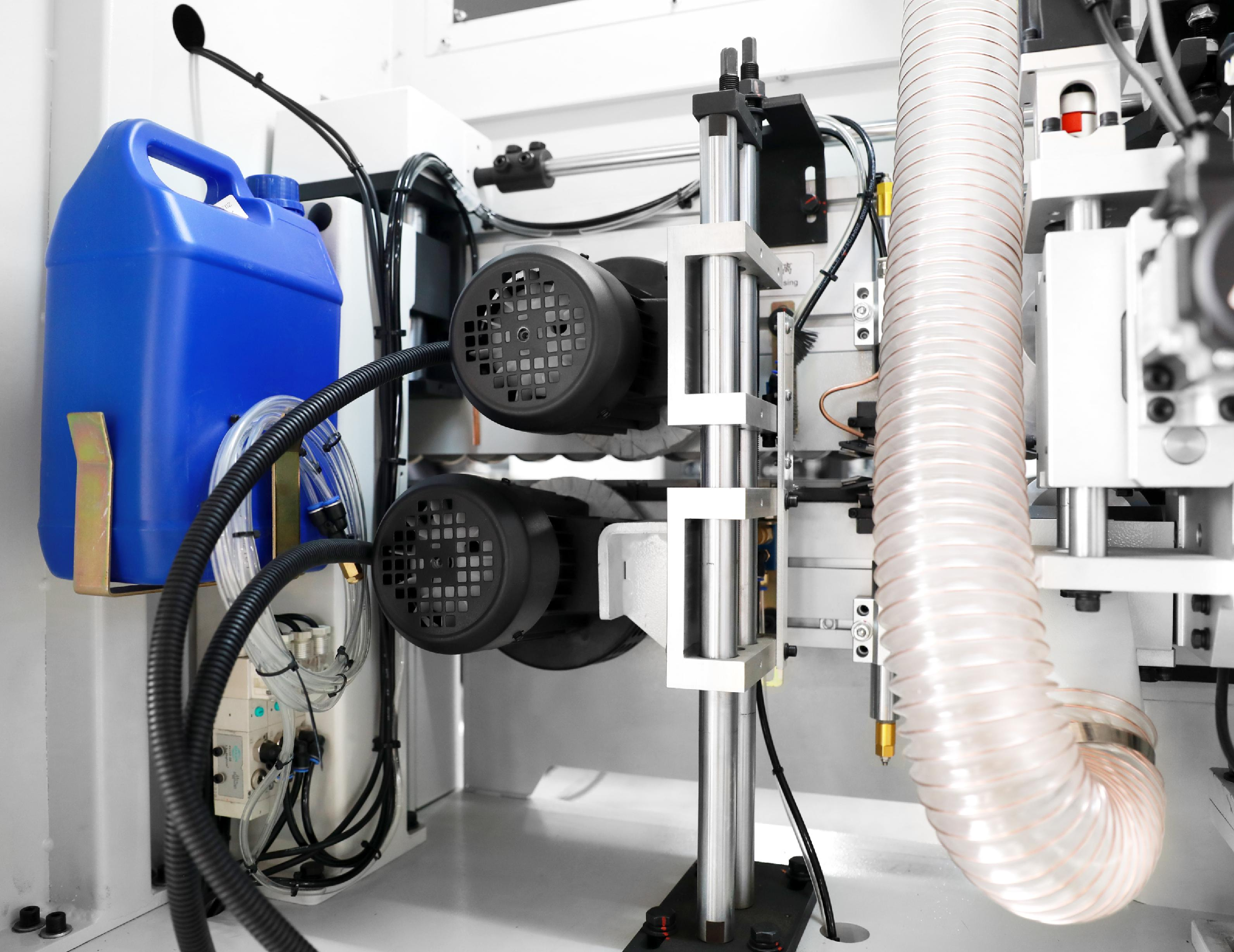
How the boring machine actually fixes things
No fluff: these machines do repeatable hole patterns at speed. Multi-spindle heads, programmable offsets, and stiff fixturing mean dowels, hinges, and shelf pins land exact every time. You get less sanding, less fitting, less rework. From tooling choices to feed rates, the hardware forces consistency so your crew can focus on throughput, not babysitting parts.
Where shops usually mess up
They pick the wrong bits, run feeds like they’re guessing, or skip preventative maintenance. Clamping weak, and tolerances wiggle. Also, poor nesting and workflow planning makes even a fast machine idle. Don’t overcomplicate: correct tooling, proper lubricant, backed-up fixtures, and routine checks keep the boring head cutting, not clogging.
Quick compare: boring machine vs other options
CNC router gives flexibility but can be slower per hole and needs more programming finesse. Dowel jigs are cheap but inconsistent at scale. Dedicated boring machines hit a sweet spot: fast, repeatable, and less operator skill needed. If you need edge finishing after boring, automated banders handle that next step without adding manual bottlenecks.
Real-world anchor
Seen at major industry shows and hubs: across fairs like LIGNA in Hannover and busy production clusters in Guangdong, manufacturers highlight the workflow pairing between panel drilling and a pre glued edgebander, showing how integrated stations cut touchpoints and errors on mass runs.

Common pitfalls when integrating the line
Mismatch cycle speeds across stations. Ignoring sequence—drill after edge-banding or jam. Underestimate operator training—automation needs attention. Don’t skimp on layout; flow matters. Test runs at production rates reveal the hidden slowdowns quick.
Final note: what this really buys you
Real talk: fixing that boring-stage pain turns chaos into steady cashflow. Faster, cleaner holes reduce rework; consistent parts cut assembly time. When your line breathes, finishes from something like HUAHUA CNC sit better, assembly moves faster, and customers get steady quality—no cap, that’s the value chain tightened up.
