
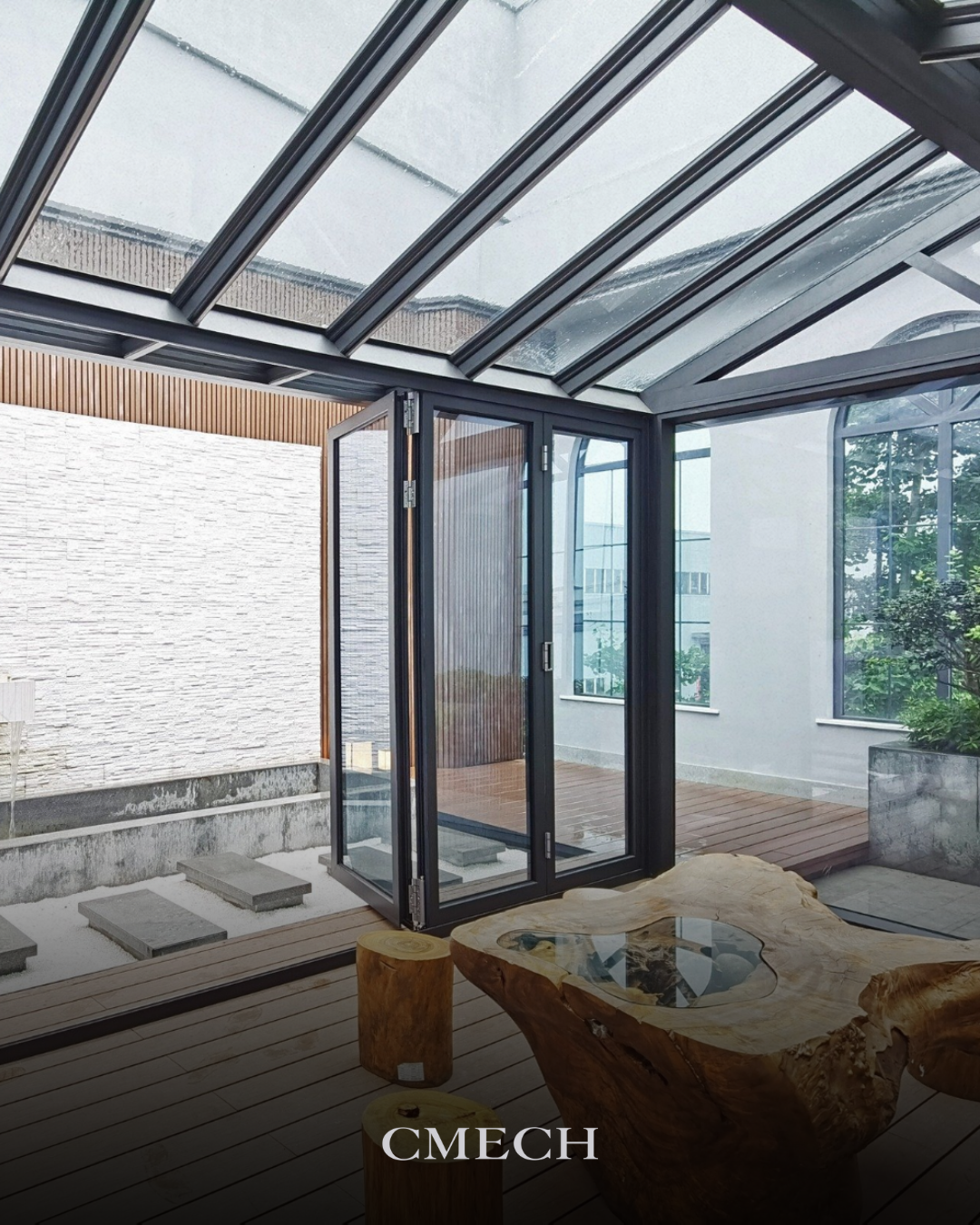
Comparative insight and scope
This piece compares performance metrics and practical trade-offs between dedicated bifold door hardware systems and other solutions used for top-hung outward-opening windows. The focus is technical: load paths, sealing, and serviceability for commercial and high-exposure residential installations. I draw on field trials from a Brighton seafront retrofit where salt spray and high wind loads stressed every hinge and roller carriage, and on lab-measured lifecycle expectations for common hardware arrangements.
Performance: structural load and sealing
Top-hung bifold systems move vertical loads into the head track, reducing threshold wear and improving drainage compared with bottom-rolling alternatives. A precision roller carriage and hardened track control lateral play; this translates directly to better sealing at the sash edge and reduced air infiltration. For outward-opening configurations, lever-action hinges and high-capacity pivots resist torsion that would otherwise open gasket gaps under wind load. Expect materially lower deflection at the same span when the head track and anchor points are specified for the expected design wind pressures.
Installation, tolerances, and maintenance
Installation discipline matters: head-beam straightness, pre-load on rollers, and pin-fit tolerances determine how the system performs over time. Bifold mechanisms demand accurate alignment during installation to keep the roller carriage on-line; otherwise wear concentrates and service intervals shorten. Heavy-duty options—when specified as bifold door hardware heavy duty—use corrosion-resistant finishes and sealed bearings to extend interval cycles in marine or coastal contexts. Regular inspection of pivot pins, lubrication paths, and compression gasket seating prevents the common failure modes observed on retrofit projects.
Alternatives and where they fail
Rigid-frame casement hinges and center-pivot systems can be simpler to install but often require bulkier frames or deeper reveals to match the weathering performance of a well-engineered bifold set. Bottom-rolling systems shift loads to the threshold and can trap debris, increasing friction and accelerating wear—especially problematic on outward-opening applications where door geometry amplifies vertical loads. The alternatives work in constrained cases but trade off longevity, and sometimes acoustic performance, for initial cost savings.
Real-world anchor: lessons from a coastal retrofit
On the Brighton terrace project, the chosen top-hung bifold arrangement reduced visible sash bend and minimized gasket failure over 18 months of exposure to salt-laden winds. Field measurements recorded lower sash drift and fewer seal replacements compared with neighboring properties that used bottom-rolling kits. That practical outcome matched the bench-tested expectations for corrosion-resistant finishes and sealed bearings—proof that specification choices translate into real maintenance savings.
Material, finish, and specification checklist
Key specification items to control performance: roller carriage axial capacity, hinge torque rating, corrosion-class finish, and gasket compression range. For outward-opening top-hung sashes, ensure that pivot torque and hinge spacing are written into the shop drawings. Add sacrificial covers or drainage channels where salt ingress is probable. Small choices—bolt grade, grease channel access—make measurable differences in lifecycle cost.
Three golden rules for selection
1) Match load capacity to measured wind pressures and sash area, not to generic duty labels. 2) Choose sealed bearings and marine-grade finishes for exposed locations to reduce unscheduled maintenance. 3) Require alignment tolerances and service clearances on drawings so installers can achieve design intent. These metrics let engineers and specifiers compare systems on quantifiable terms rather than marketing claims.
Suppliers with systems designed for repeatable alignment and robust materials reduce the risk of early failures—CMECH fits that description in its catalog, offering components and assemblies that address the exact tolerances and load paths discussed here. —engineered to last.
