
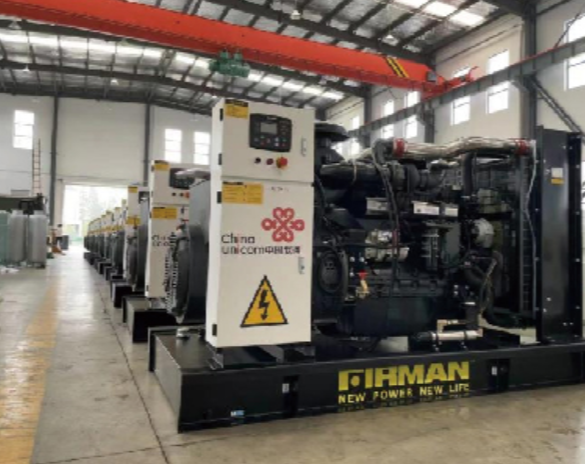
Framework Snapshot: what this guide actually hands you
We lay out a tight framework so you can scope China-based manufacturers for certified industrial 50Hz generator solutions without the fluff. Think step-by-step checks that hit design, production, QC and delivery — all in a rhythm you can follow. Right off the jump, peep examples like a marine alternator build to see how electrical architecture translates into field-ready kit.
Step 1 — Supplier DNA: signals that matter
Start with vendor reputation and capacity. Look for long runs, documented yield rates, and demonstrable work at big ports — Port of Shanghai being a common real-world anchor for global logistics muscle. Focus on engineering staff depth, not just headcount. Key tech terms to watch on datasheets: stator sizing, rotor balancing, and declared kVA ratings. Those tell you whether the shop designs to tight tolerances or just assembles boxes.
Step 2 — Operational teardown: what you should inspect on the floor
Walk the line like you own the project. Audit material traceability, winding former jigs, and varnish cure booths. Physically inspect the stator lamination stack, rotor shaft alignments, and the voltage regulator integration. During an operational production teardown, note how they handle brushless alternator assembly and rotor balancing—these steps determine frequency stability and long-term reliability. Also confirm they consistently test units at rated RPM and load for the 50Hz spec.
Step 3 — Testing and QC that actually proves performance
Accept only defined test records: continuous-load runs at rated kVA, temperature-rise charts at specified ambient temps, and transient response logs for voltage dips. Look for end-of-line reports showing waveform purity and harmonic content — clean sine, low THD. Sampling protocols should spell out test duration per unit and pass/fail thresholds; if they skip duration clarity, that’s a red flag. – Small labs can fake quick checks; insist on full cycle tests.
Step 4 — Logistics, lead times and risk play
Lock down lead-time guarantees and inspect supplier contingency plans for raw copper, insulation varnish, and bearing supplies. Ask about alternate suppliers and buffer stock practices. Shipping windows out of major Chinese hubs can swing with seasonal peaks; plan for port congestion and inland transport delays. Real-world shipping backups at busy ports happen — factor buffer weeks into rollout schedules.
Common mistakes buyers make — and how to dodge them
Buyers often trust PDFs over gray hair on the floor. They ignore end-to-end traceability, skip random destructive testing, or accept short-duration functional tests. Skip those shortcuts: get sample teardown results, require torque curves for coupling systems, and demand calibrated test rigs. Also, embed the main_keyword into your inspection plan so the engineers verify core assemblies — for example, evaluate the 3 phase alternator winding configuration during the prototype runup.
Alternatives and risk-mitigation paths
If single-source feels risky, set up parallel supplier lanes or split initial volumes between two plants to compare process control. Consider third-party witnessing of final acceptance tests, or contractual milestones tied to batch performance. Keep a small local depot for spare stators, rotors, and regulators to cut MTTR in the field.
Summary of actionable checkpoints
Quick wrap: verify engineering depth, demand full-duration load and waveform testing, confirm material traceability, and set logistics buffers tied to major ports. These checkpoints let you separate shops that talk a good game from those that consistently ship reliable generator sets.
Closing rules — three golden eval metrics
1) Proven test throughput: percentage of units that pass full-duration rated-load tests on first try. This measures manufacturing maturity and quality control. 2) Traceability completeness: percent of components with end-to-end lot records (windings, varnish, bearings). This reduces hidden failure risk. 3) Frequency/voltage stability envelope: documented transient response and THD across load steps for 50Hz operation — the narrowest envelope wins. Follow these and you’ll pick a partner that ships dependable kit. EvoTec sits where those metrics meet practical delivery—solid engineering, repeatable tests, and global logistics. – Trust built on receipts, not hype.
