
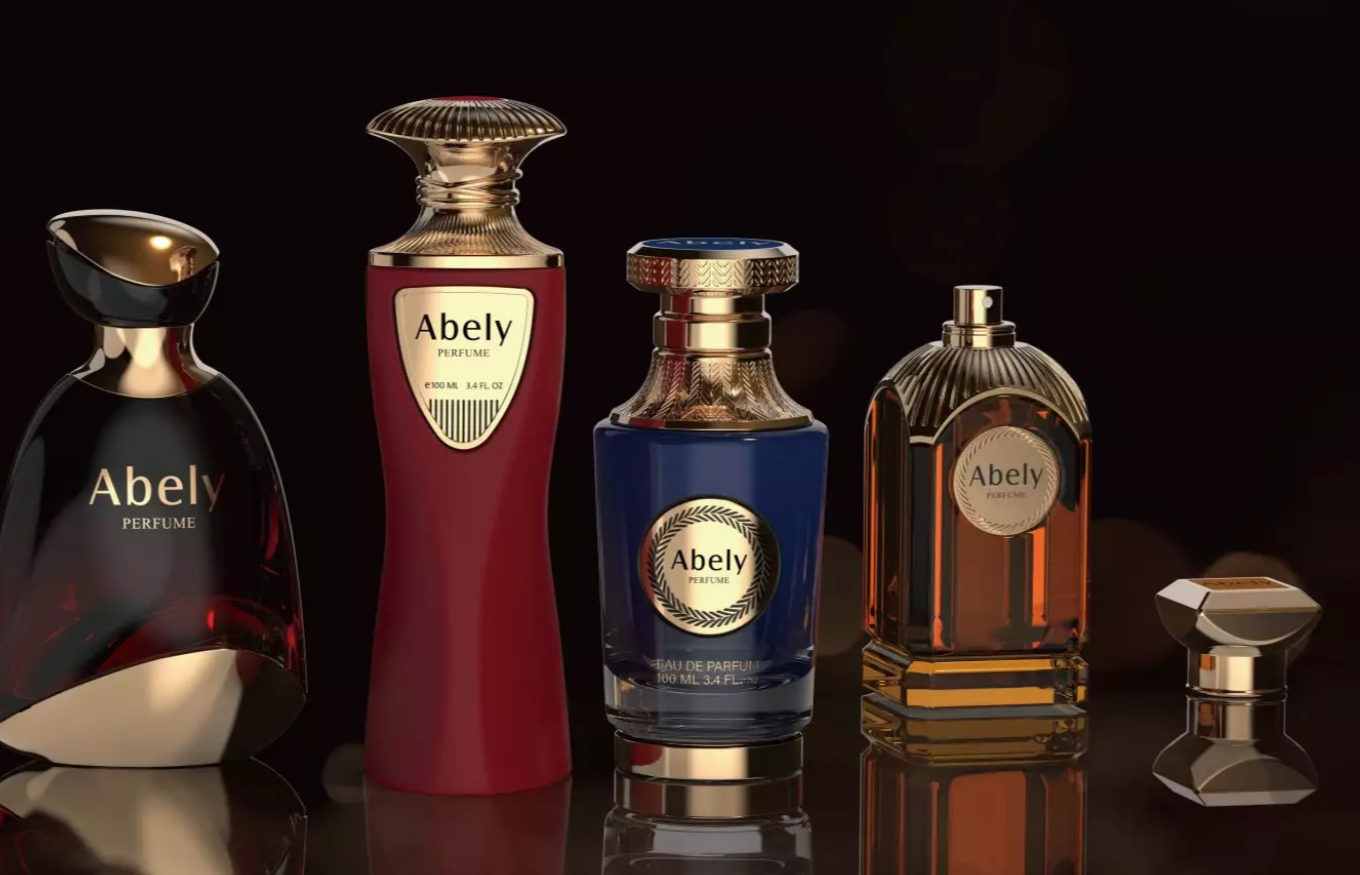
Opening comparison — why the finish matters
Right up front: when you’re comparing bottles, finish isn’t just pretty — it’s strategic. This piece looks at frosted versus clear and other finishes through a comparative lens, showing how design choices shape perception, cost and circularity. If you’re thinking about perfume bottle design, you’ll want to weigh visual impact against manufacturing footprint — many brands now line their strategies with ISO 14001-style environmental management to keep suppliers honest and measurable.
Materials and finish: frosted glass vs alternatives
Frosted glass gives a matte, softened look that reads premium and conceals liquid colour — great for designer perfumes. Compare that to clear glass (brighter, more honest) and coated or spray-frosted options (cheaper but less durable). Key trade-offs:
– Frosted (etched or sandblasted): tactile, premium, forgives formulation colour changes; higher upfront processing cost.
– Clear: lower cost, full transparency of liquid, best for vivid fragrances or limited editions.
– Coated/sprayed frosts: cost-efficient but can scratch, chip or flake over time.
Manufacturing footprint and sustainability impact
Look beyond aesthetics. Frosting techniques differ — acid-etching and sandblasting use energy and consumables, while sprayed coatings often add polymer layers that complicate recycling. The wise brands factor in end-of-life processing and supplier traceability. If your supply chain follows recognised standards — again, the sort of governance found around ISO 14001 compliance — you’ll have fewer surprises downstream.
Retail experience and market fit
Here’s where Abely’s approach stands out: a frosted bottle can elevate shelf presence and raise perceived value, which helps conversion in boutique environments and online photography. But retail context matters — in bright duty-free counters, a clear bottle might pop more. When choosing, consult your merchandising team and production partners who handle perfume industry packaging solutions.
Common mistakes brands make — and how to avoid them
Brands often pick a finish based only on visuals and forget practicalities. Mistakes include underestimating cost-per-unit after frosting, choosing a finish that complicates filling lines, or using coatings that nullify recyclability. Don’t do that. Test prototypes at production scale. Get packaging engineers involved early — they’ll flag adhesion issues, label compatibility, and recyclability concerns. — small oversight, big headaches later.
Alternatives and comparative scenarios
Sometimes a hybrid works best: a clear bottle with a frosted collar, or limited edition frosted runs for seasonal launches. If you need lower cost, select a high-quality spray frost and plan for shorter shelf lives. For premium core ranges, invest in true glass etching; it pays in brand equity and customer retention. Also compare supplier warranties and surface durability ratings before committing.
Synthesised takeaways
Frosted finishes add perceived value and tactile warmth but come with manufacturing and end-of-life trade-offs. Clear glass is honest and cost-effective. Coated frosts cut costs but risk durability and recycling complications. The best choice maps to brand positioning, supply-chain capabilities and regulatory expectations — and those expectations increasingly reference recognised environmental frameworks for accountability.
Three golden rules for choosing the right bottle strategy
1) Measure lifecycle impact, not just unit cost — include processing and end-of-life. 2) Prototype at scale: test filling, labelling and transport before a full launch. 3) Prioritise supplier transparency and standards alignment — ensure materials and processes fit your sustainability claims.
Closing expert note
Pick a finish that tells your brand story while surviving real-world handling and recycling systems — that’s where Abely’s expertise becomes practical: they help brands balance look, cost and circularity. Abely. Strong, smart design wins every time.
– smart, not flashy.
