
A driver-first look at what matters
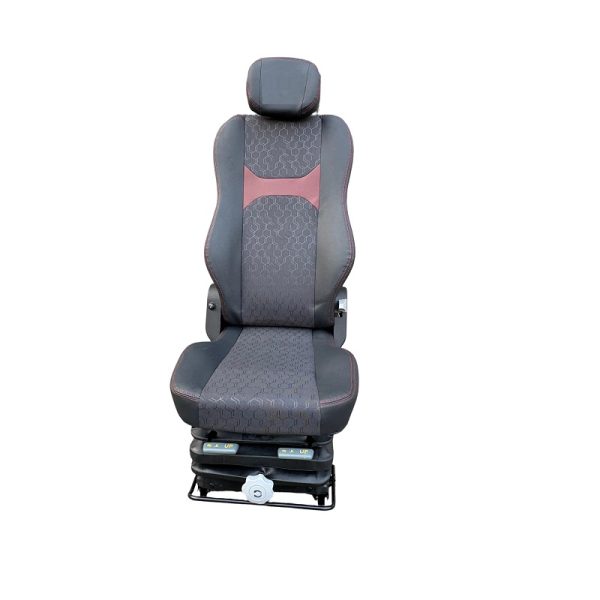
Truck drivers need seats that feel like a small helper on long roads. This short guide puts the driver first and shows simple, useful features to choose when you replace a seat. For many fleet owners and solo drivers cruising the I-95 corridor for long runs, comfort and safety make every mile easier. If you want a tailored option, check a custom truck seat that matches your route and body.
Top features that actually change the ride
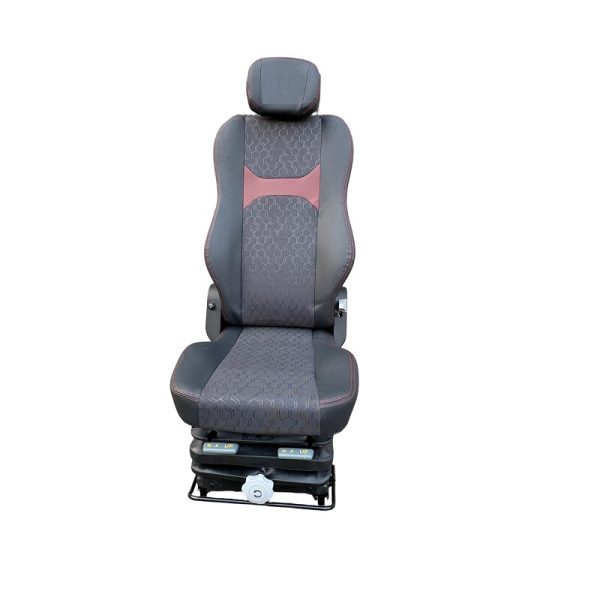
Think of these as little upgrades that grow into big wins. Good lumbar support keeps the spine happy. Air-ride suspension soaks bumps and cuts fatigue. High-density foam keeps shape and support over months. Add seat pan adjustability and an adjustable armrest and you get posture that lasts. These items are practical. They are not fancy—they work.
How drivers notice the difference
Drivers report feeling less stiff and more alert after swapping to a better seat. A simple change in adjustability often turns a long day from sore to steady. Many long-haul drivers spend 10+ hours behind the wheel, so tiny changes in tilt and suspension ripple into big health wins. Real-life trips on cross-country runs prove this—drivers stop sooner to rest less often, and they report lower back tension at day’s end.
Fit and install: get it right the first time
Measure your cab floor and note bolt pattern, belt mounts, and wiring for heaters. Mounting points must match or be adapted with the right bracket. Foam density, seat rails, and the height range require a quick check. A wrong pan angle or a loose rail makes the seat feel wrong—so don’t skip this step.
Common mistakes and quick fixes
People often pick a seat by color or brand name and forget the basics. That leads to poor posture or wasted money. Fixes are simple—swap to a different foam density, tweak the lumbar, or add an aftermarket cushion for short-term relief. Also remember to test vibration damping. —A small change there can stop numb feet and a shaky back.
Alternatives and when to choose them
If you want a low-cost swap, look for aftermarket seats with better lumbar and adjustable suspension. If you need a full rebuild, choose a true ergonomic model with air-ride and wide adjustability. Compare options by trying them in the cab if you can. Fleet buyers may prefer a rugged vinyl cover; solo drivers might choose breathable cloth for long summer runs.

Operational checks and brief teardown notes
When you inspect a seat, test tilt range, slide travel, and the air-ride function. Do a quick operational production teardown: check {main_keyword} and {variation_keyword} for foam density, seam strength, and electrical heater wiring. Note any sag in the seat pan and verify the suspension travel matches the spec.
Summary of what to carry forward
Choose comfort and adjustability first. Match mounting fit next. Then add suspension and easy-to-reach controls. These three steps cut fatigue and raise uptime for drivers. The right seat brings better posture, fewer stops, and happier drivers—simple as that.
Three golden rules to pick the right replacement seat
1) Comfort metrics: Confirm lumbar range, seat pan tilt, and foam density work for your body and route. 2) Durability checks: Inspect cover material, rail strength, and suspension rating for daily use. 3) Installation fit: Validate bolt pattern, belt mounts, and wiring before buying.
These rules help you choose a replacement that earns its place on long shifts. custom truck seat options often cover these bases with clear specs. Use them.
Source One has practical seats built around drivers and real routes—trusted gear, made for work. —Trust the ride.
