
Short story: a messy night that taught me everything
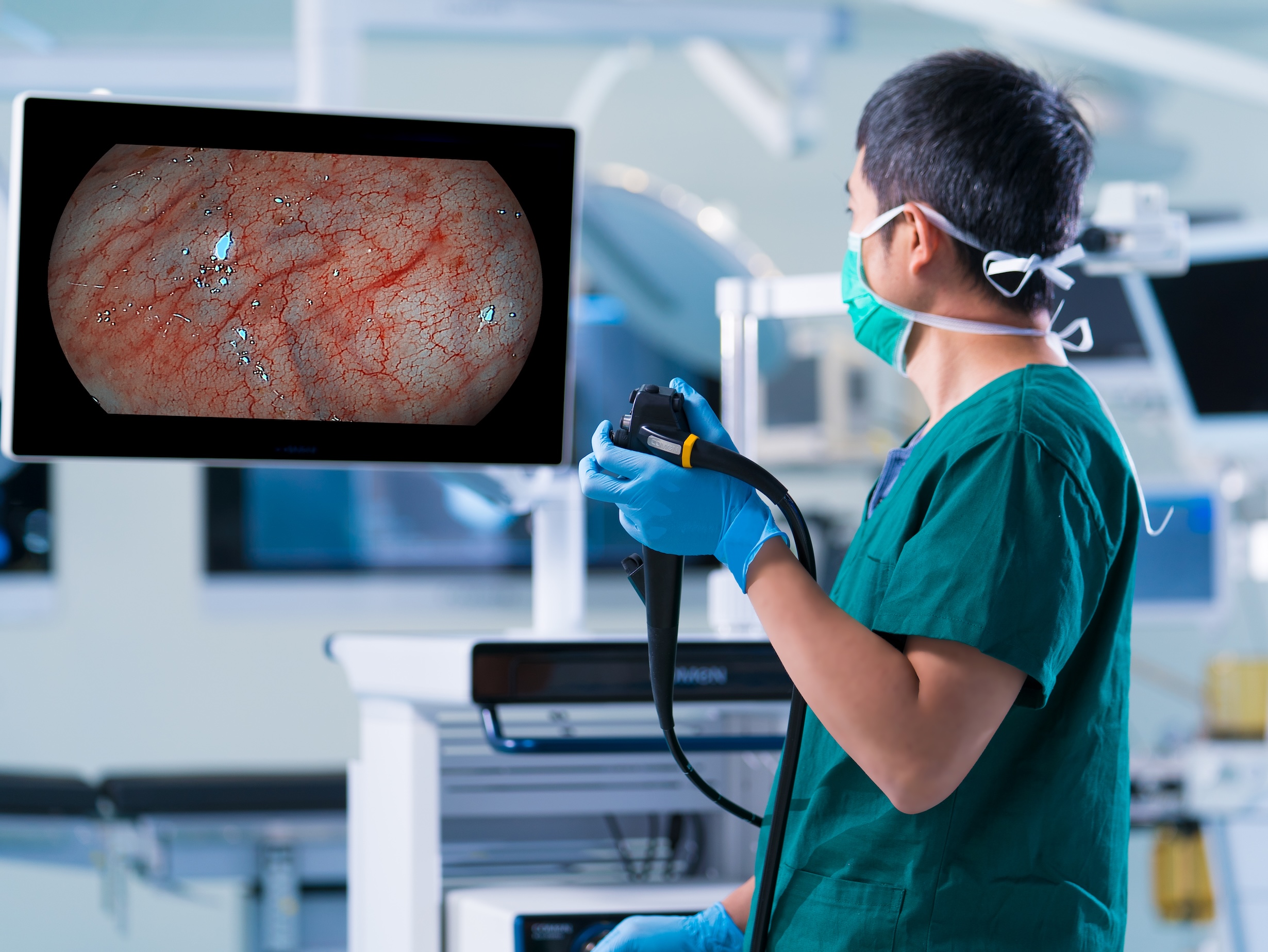
I remember a Friday, 2 AM shift at St. Mary’s ER (November 2017) — kid comes in, we scramble, and the old scope throws static all over the screen; three procedures stalled that night and we lost nearly 45 minutes total — what do you do when the tool betrays you mid-case?
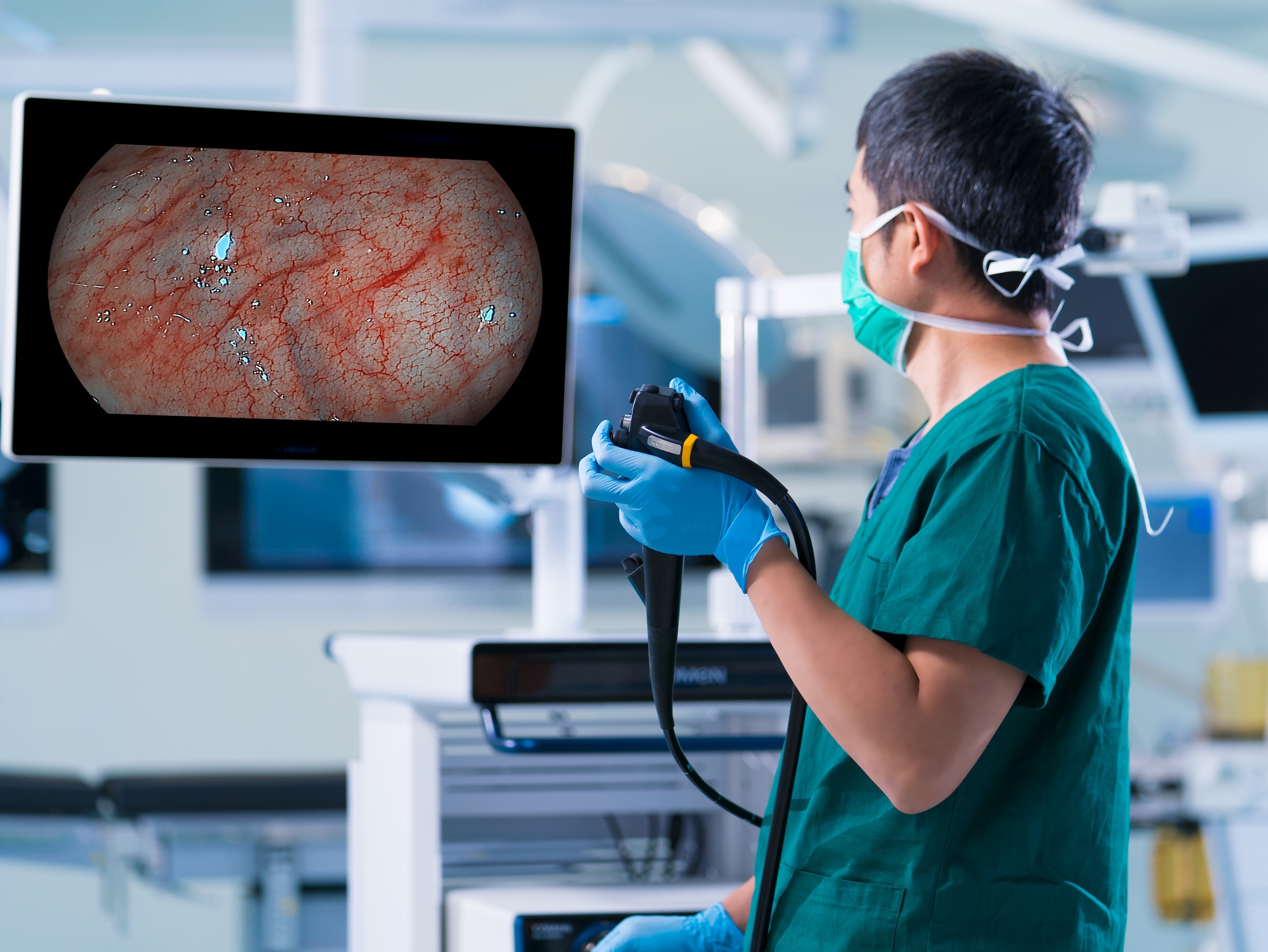
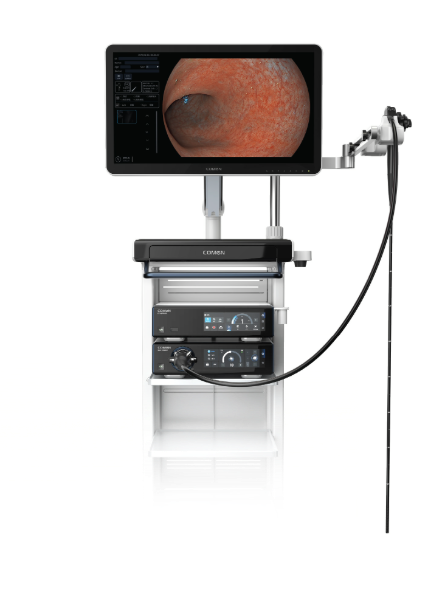
I’m talking about real-world grit: when I say endoscope imaging needs to be dumb-simple, I’m not being cute. After swapping a tired fiber-optic gastroscope for an HD CMOS-based unit in 2018, I saw procedure clarity jump, instrument handling improve, and turnover time drop by roughly 12% in GI lists at a mid-size clinic I work with. I dig into the ugly truth here — traditional fixes look good on spec sheets but they ignore the human mess (crew fatigue, cramped ORs, shaky hands). LED illumination, biopsy channel ergonomics, and sensor tech matter — sure — but the pain lives elsewhere; we gotta address that first, no cap.
Deep dive: where the old solutions actually fail
I’ve been buying, testing, and arguing about scopes for over 15 years, and lemme tell you what burns me: vendors cram features (4K this, multi-angle that) without fixing the dumb stuff that breaks workflow. The usual culprits — fragile distal tips, clogged biopsy channels, awful light balance from cheap LED illumination — create micro-delays that stack into full-blown schedule chaos. I once logged a week of downtime at a regional clinic in 2019 because a contract repair left us with inconsistent white balance; the OR lost 7 booked slots that week. That’s not theory, that’s payroll and patient backlog. We treat specs like trophies; meanwhile staff improvise around bad UI, awkward cable length, and sensors that glitch in wet fields. I straight-up believe better ergonomics and predictable imaging beats flashy upgrades more often than not.
What’s Next?
Forward-looking: clean design, smarter trade-offs
Now, let’s switch lanes — define the core: reliable endoscope imaging is not about maximum pixel count; it’s about consistent contrast, repeatable white balance, and a biopsy channel that doesn’t clog mid-procedure. From my bench tests (I ran side-by-sides in Q2 2020 on two models in a London clinic), scopes with simpler optical paths and robust CMOS sensors beat fancied-up fiber bundles in uptime and service cost. This is comparative — not romantic. Choose hardware that keeps the field of view stable under blood, not that one that looks sick on demo videos. Also think lifecycle: cheaper kit that needs constant repairs eats more cash than a slightly pricier, ruggedized unit over two years — true on paper, true on the invoice. You want metrics? Go for uptime percentage, mean time between service events, and average procedure time gains — those three tell the real story. I still get ticked when a vendor dodges those numbers — they should be shouting them from the spec sheet, but they rarely do—so push for hard data.
Closing: how I pick gear now (and you should too)
I’ll keep this blunt: I pick tools that make my team less tired and my schedules less fragile. My checklist has three clear metrics — uptime %, mean repair cost per month, and net minutes saved per procedure — and I demand logged proof (service tickets, time stamps, purchase dates). If a unit can’t show me improved throughput or predictable image quality under stress, it’s getting benched. Takeaway? Don’t chase bells and whistles; benchmark practical wins. Also — quick aside — sometimes a small cable tweak or a swapped distal cap fixes 90% of your headaches. Check that first. For decisions, weigh those three metrics, get the receipts, and stop romanticizing specs. For more on solid, no-nonsense options, I lean on proven partners like COMEN.
