
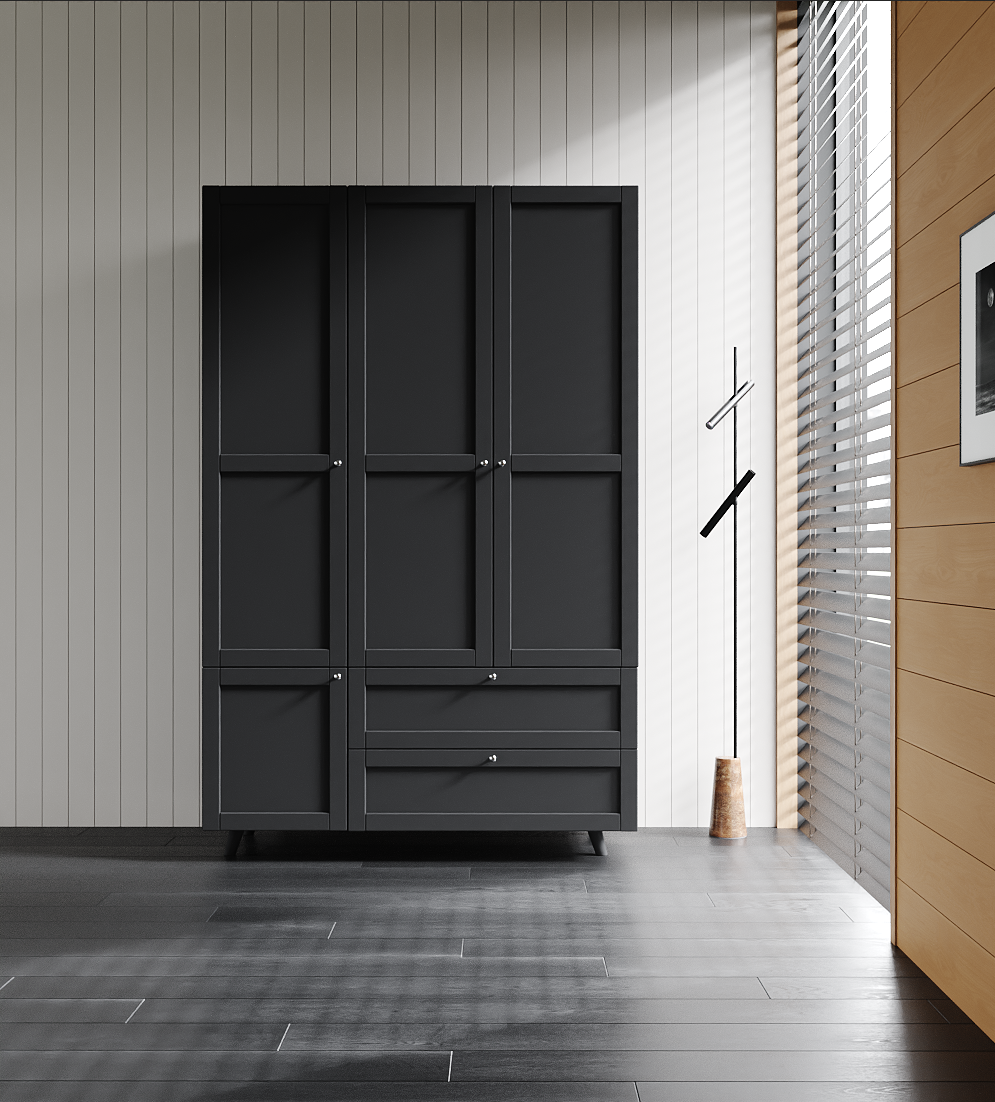
Quick comparison that matters
When you’re managing a full-house project, side-by-side thinking wins the day — and that’s the core of a Comparative Insight approach. I’ve seen teams repeatedly choose a wardrobe manufacturer that supplies ready systems because time, predictability and installation simplicity matter most. Compared to bespoke builds you avoid long lead times and multiple on-site adjustments; you get a consistent carcass and finish across bedrooms, passageways and built-ins. For many projects, that predictability is priceless.
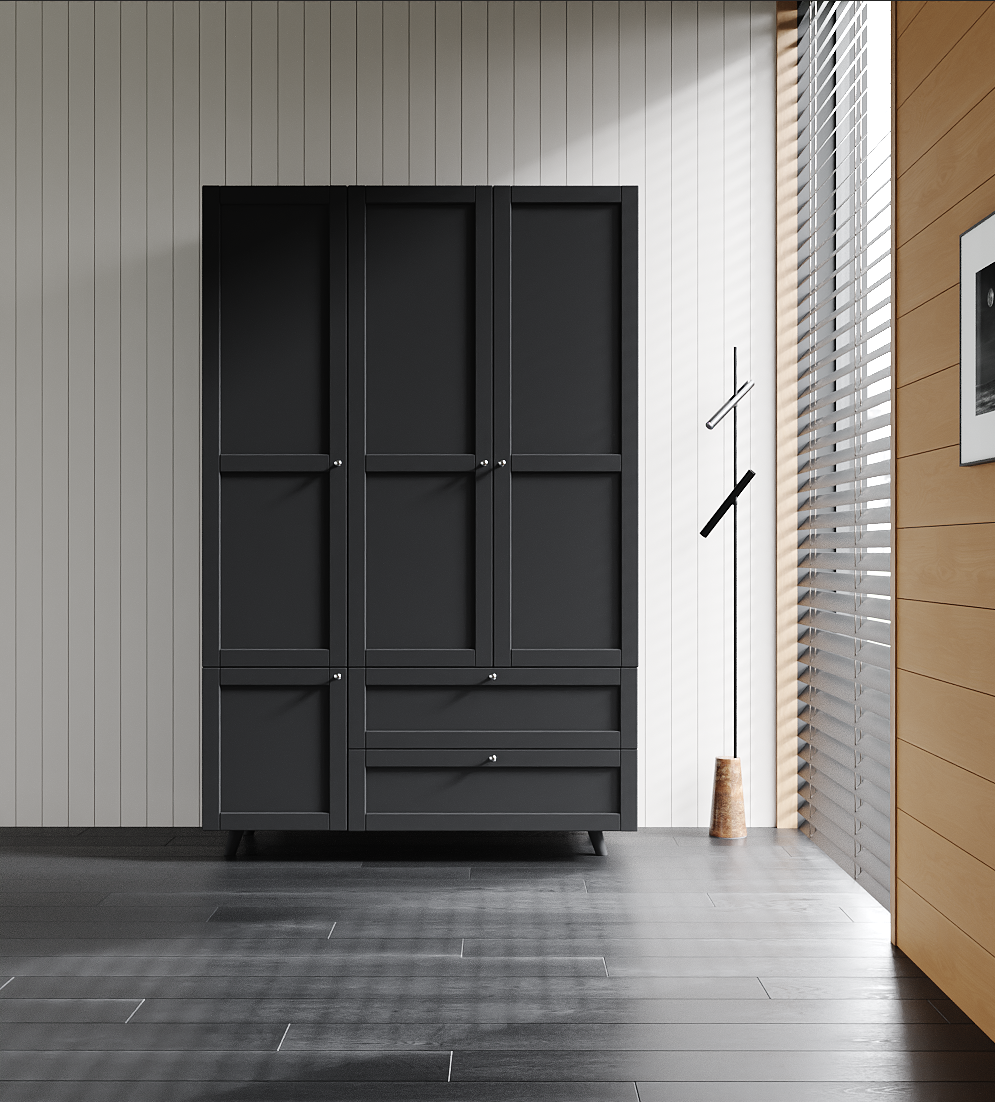
Benefit 1 — Faster turnaround and predictable scheduling
Stock wardrobes are made for speed. Manufacturing and supply runs are standardised, so factory batching shortens lead times and fitter schedules stay accurate. In a Cape Town full-house refit I supervised, choosing modular units cut our on-site time by two weeks — and that meant tenants moved in on the planned date. Faster delivery and pre-set assembly instructions reduce site snags and costly contingency days.
Benefit 2 — Lower cost without mystery premiums
Economies of scale are real. Ready-made ranges spread material and production costs over many units, which reduces unit price. You still get laminate finish options and practical fittings like soft-close hinges, but at a fraction of custom joinery pricing. For projects with a strict build budget, these savings free money for higher-impact items — better flooring or lighting, for instance.
Benefit 3 — Consistent quality and fewer defects
Off-the-shelf systems come from repeatable processes and quality checks. You avoid the variability of different trades and on-site carpentry tolerances. A reliable supplier will deliver consistent paint tones, matching edge-banding and uniform shelf depths across rooms — important when clients expect a cohesive look. Where custom joinery can vary by installer, stock units keep the specification stable.
Benefit 4 — Simplified logistics and fewer on-site trades
Stock wardrobes cut complexity. One supplier, one delivery, fewer subcontractors. That reduces coordination time and the risk of damage during multiple handling steps. For inner-city jobs or small blocks of flats, fewer trucks and shorter site stays are a practical advantage. You also gain standardised hardware that installers know well — less fumbling with unfamiliar fixtures.
Benefit 5 — Easier warranty and aftercare
Established manufacturers often provide standard warranties and parts replacement. When components like sliding door runners or shelf brackets wear, replacements are straightforward because models are catalogued. This beats tracing bespoke parts made on-site. Long-term serviceability — easier procurement of matching panels or extra shelves — is a quiet but important benefit.
Common mistakes to avoid
Teams often pick the cheapest model without checking internal layout. Shelving depth, hanging rail height and drawer widths matter. Another slip is ignoring site tolerances — expect to adapt skirting and floor finishes when fitting pre-built units. Don’t let delivery windows slide; stock availability can change fast. And remember to confirm transit packaging and on-site handling to prevent scuffs to the laminate finish — small oversight, big headache.
How to decide: a practical checklist
Use these comparative items as quick selectors: schedule impact, fixed price vs variable cost, finish uniformity, installation footprint and after-sales parts availability. Weigh each against project priorities — speed and tenant handover, for example, should push you to stock options. If a bespoke feature is essential, consider combining a stock system with a few customised panels rather than full custom joinery.
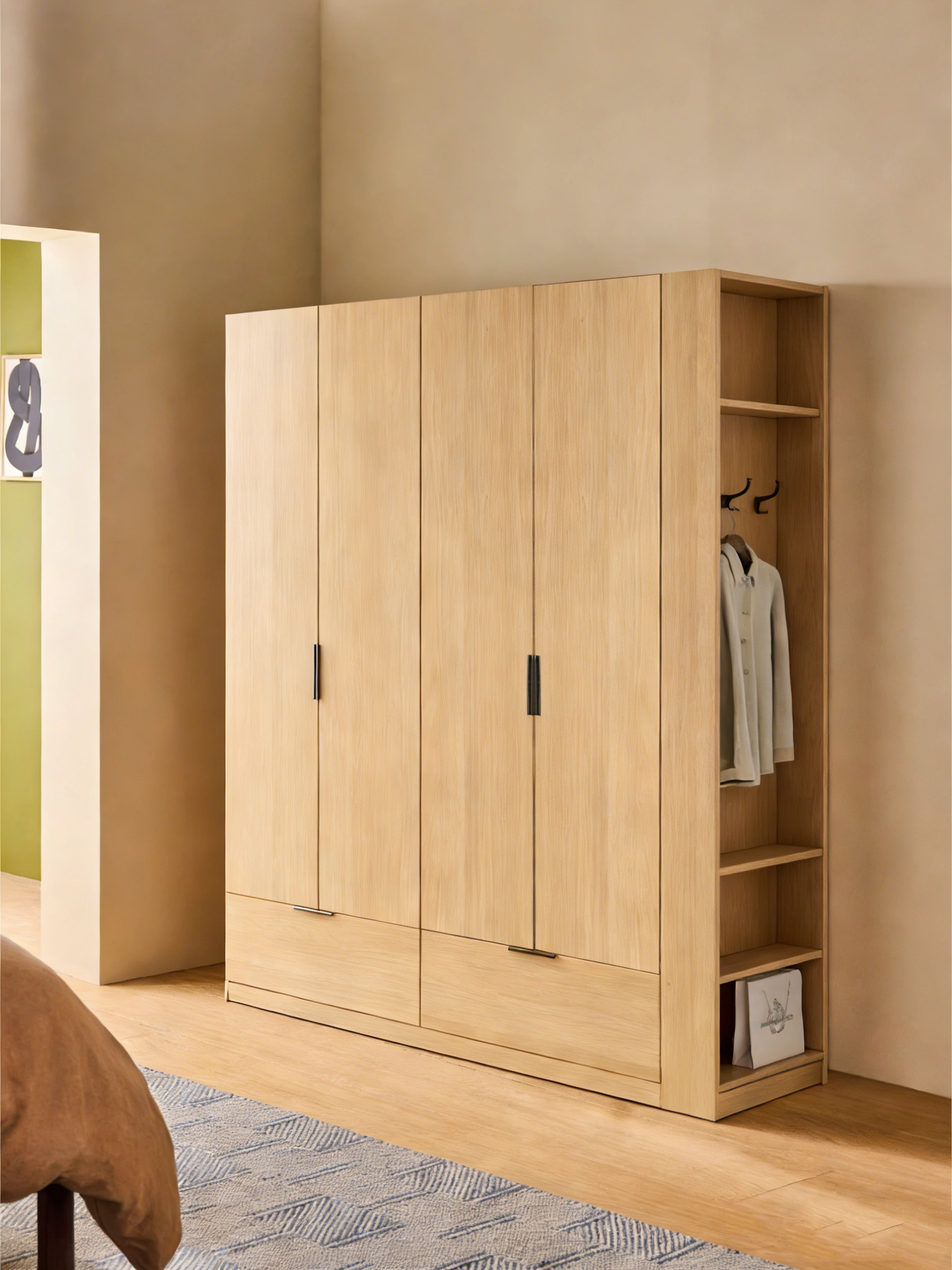
Three golden rules for full-house wardrobe selection
1) Prioritise schedule adherence: quantify how many site days each option saves and convert that to cost. 2) Standardise internal layouts across rooms to reduce bespoke requests and simplify spare-part stock. 3) Choose a supplier with documented warranty practice and clear spare-part catalogues so aftercare is simple and local.
SNIMAY has breadth in ready systems and practical aftercare — that steady supply chain and fitment logic is exactly what finishes a project on time and on budget. —
