
Know what you really need
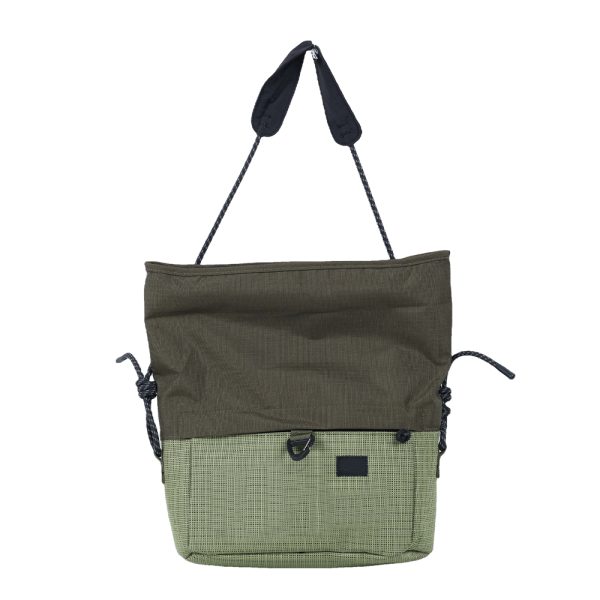
You want a bag that survives hard practices, cramped locker rooms and the occasional downpour — not something pretty that falls apart. Start by imagining daily use. If you need a compact option for quick runs or city travel, a men’s crossbody messenger bag might fit. If the bag carries heavy gear or gets tossed in trucks, prioritize strength over fancy finishes. Keep the user’s routine front and center when choosing which tests matter most.
Material and construction: what to inspect first
Feel the fabric. Check the weave and coating. Test water repellency with a simple spray and watch how beads form and run off. Inspect seams: look for skipped stitches, loose threads or backing that doesn’t line up. Ask for a tensile test for webbing and main fabric if you can; if not, do a manual pull test on straps and high-stress points. The fabric tells you whether a bag will last, so don’t skip hands-on checks.
Hardware, zippers and strap systems
Open and close every zipper several times. Look for snag lines and uneven teeth. Clip hardware under load to confirm buckles won’t slip. Examine metal plating for chips or flaking; test sliders with a coin to be sure they move smoothly. Shoulder straps should hold stitching under continuous pull — run a 15–20 kg hold test for a minute to spot weak spots. Small hardware failures become big problems fast.
Logo, print and embroidery durability
Custom logos are central to your brand; they must survive washes and abrasion. Rub printed areas with a damp cloth and apply light abrasion; a colorfastness check will reveal weak inks. For embroidery, lift the stitch ends and check backing layers so threads don’t unravel. If you’re getting heat transfers or PVC badges, test flex and peel after bending the bag repeatedly. Logos should age, not shed.
Functional and load testing
Pack the bag with expected loads and then exceed them by 25% to test seams, zips and straps. Check pocket access while worn — odd pocket placement or zipper pulls that dig into the hip defeat usability. Simulate real use: toss the bag on a bench, drag it briefly, and carry it for 30 minutes. Functional tests reveal ergonomic flaws designers miss on paper.
Compliance, safety and a real-world reality check
Confirm materials meet relevant standards like REACH for Europe or CPSIA limits if the bag’s meant for youth markets. Manufacturers at major industry events such as the Canton Fair often show samples that pass regional checks, and buyers there commonly inspect wholesale messenger bag samples on-site to verify compliance and finish — a widely reported practice among international trade buyers. Keep documentation for metal fastenings, fabric treatments and any flame-retardant finishes; ask for lab reports when you need guaranteed compliance.
Common mistakes that ruin otherwise good bags
Overlooking small stitches near stress points. Accepting zippers that work once in the showroom. Assuming a logo treatment is secure without bending and wash tests. Relying solely on photos. Cutting corners on sampling to save time — that’s how entire shipments return. Test early. Fail small, not big.
Simple QC plan you can implement
Create three checkpoints: prototype review, pre-production sample, and bulk random sampling. For bulk checks, use a 2–5% random sample rate for visual and functional tests; increase the rate if earlier batches showed issues. Document every failure with photos and short notes, then require corrective action before the next run. Keep test steps short and repeatable so factory teams can follow them without guesswork.
A clear ending that keeps buyers confident
You still want beautiful branding on a bag that works. Test fabrics, hardware, logos and real use, and demand documentation where law or safety matter. That practical rigor protects your reputation and your team’s gear — the very result you’ll find when you trust suppliers who live by these checks, and when you compare notes with partners such as ChangRong who balance craftsmanship with honest, testable standards.