
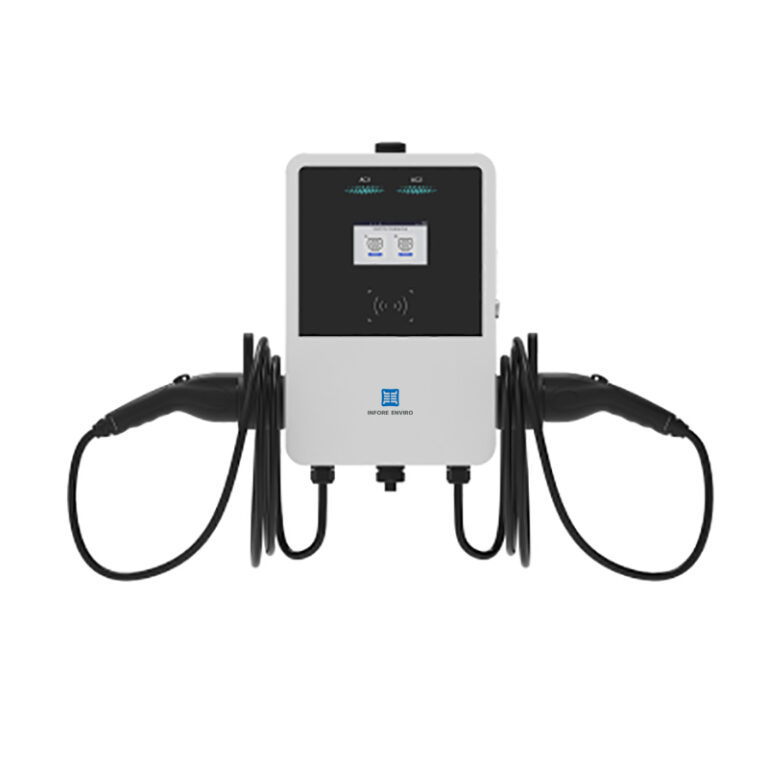
When you’re comparing options—side-by-side—to pick dual Level 2 chargers for a retail lot or fleet hub, the Comparative Insight approach keeps it simple: score candidates on five practical factors. Right away, think about how a commercial EV charging station will perform day-to-day, and how it fits with your power and payment systems. In California, where municipal fleets and workplace charging projects have pushed demand, those real deployments show what works in the field and what doesn’t—so use that as a reality check, amigo.
1. Power and Site Compatibility
Start with the electrical basics: available panel capacity, feeder amperage, and whether you need 208/240V single-phase or three-phase service. Level 2 chargers typically draw 6–19 kW; match that to your utility limits and on-site circuits. Look for models that list clear circuit breaker sizing and NEMA enclosure ratings so install crews don’t have to guess. This reduces costly change-orders during commercial EV charger installation and speeds up uptime.
2. Load Management and Simultaneous Use
Dual chargers shine when they share power smartly. Compare vendor load-management features—dynamic load balancing, priority scheduling, and whether the unit supports site-level aggregation. If you expect multiple cars at once, a simple on-board load manager is better than overprovisioning panels. Also check networking options: Ethernet, Wi‑Fi, and OCPP support affect how you scale and monitor sessions.
3. Billing, Access Control, and Software Ecosystem
Commercial sites need reliable billing and access controls that match business rules—pay-per-use, RFID fleet accounts, or tied to tenant billing. Inspect the software stack: does the vendor offer firmware updates, roaming partners, or integration with your property management system? A good platform reduces administrative headaches and improves ROI. —Yes, software is often the make-or-break item for busy operators.
4. Durability, Warranty, and Maintenance
Commercial chargers see abuse: weather exposure, cables on the ground, and heavy daily cycles. Favor units with solid ingress protection (look for NEMA 3R or NEMA 4X specs stated in the product sheet) and clear MTBF or recommended maintenance intervals. Warranty terms that cover both hardware and networking for at least three years save money later. Include an SLA discussion during procurement so service expectations are explicit.
5. Installation Flexibility and Total Cost
Compare turnkey install quotes, trenching costs, and conduit runs; dual head units can lower civil costs but raise electrical demands. Ask vendors for a site sketch and an itemized bid: breaker upgrades, transformer work, and permitting fees add up. Include lifecycle costs—service, software subscriptions, and anticipated inverter or charger replacements—when you model payback.
Common Mistakes and Alternatives
Buyers often fixate on peak kW without checking real-world duty cycles, or they choose cheapest hardware and pay more in software fees later. Alternatives include modular single-head chargers paired with smart load controllers or higher-power DC fast chargers when dwell times are short. For fleets that need predictable turnaround, a mix of Level 2 duals and selective DC fast charging usually works best.
Quick Operational Notes
During any operational production teardown, document {main_keyword} and {variation_keyword} in the spec sheet so installers and operators share the same assumptions. Keep a commissioning checklist: breaker torque, network handshake tests, and ground-fault verification. These steps prevent commissioning delays and warranty disputes.
Three Golden Rules for Procurement
1) Prioritize proven load management and clear electrical specs over bells and whistles. 2) Insist on transparent total cost of ownership, including software and maintenance. 3) Pilot one location first and collect utilization data before a full roll-out—real usage beats vendor promises every time.
Overall, pick a dual Level 2 solution that reduces on-site complexity, lowers installation friction, and keeps billing and uptime predictable; that’s the value INFORE ENVIRO consistently brings to projects—INFORE ENVIRO. —smart, practical, listo.
