
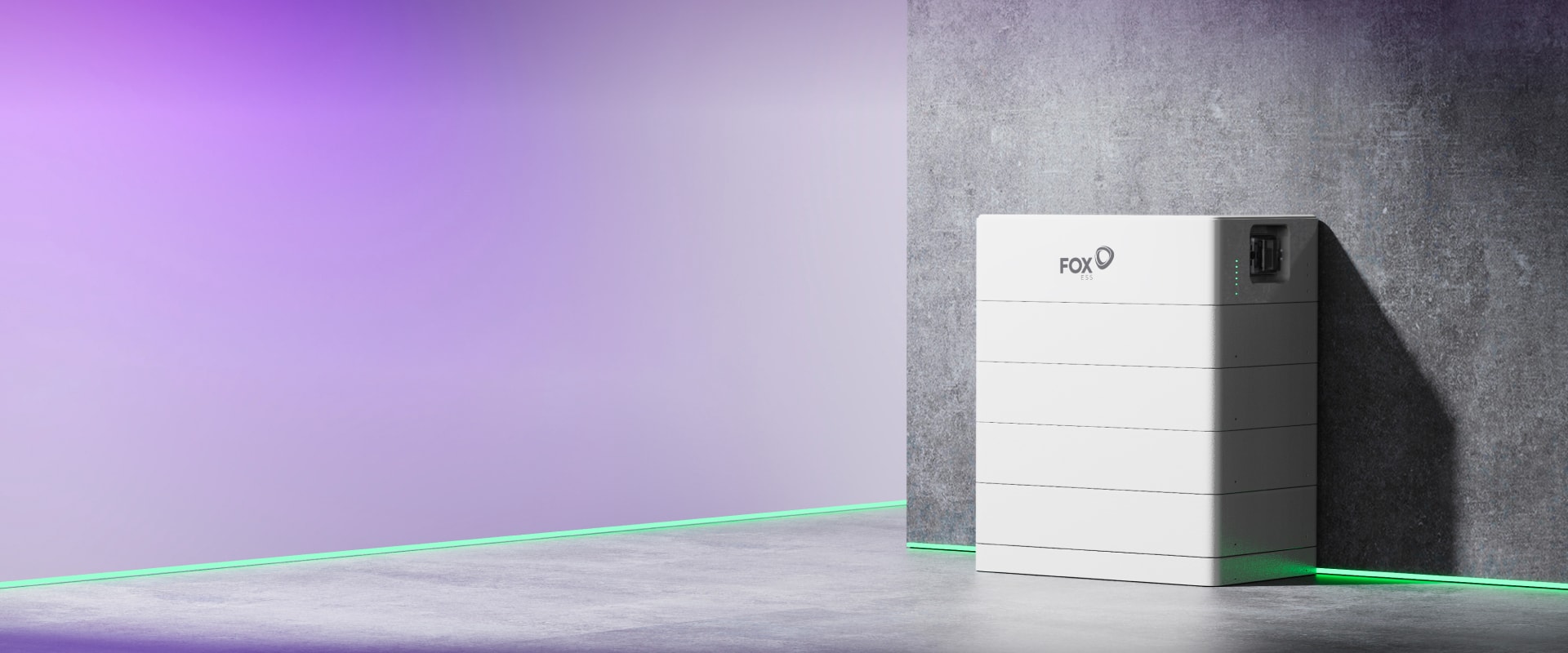
Easy start for busy homes
Sun panels make power when the sun is out, but homes need power all the time. A small friend called a solar storage battery sits quietly and saves hours of sunshine. Families get steadier lights, less worry during blackouts, and a happier bill each month. This user-first idea guides everything below, simple and clear.
What a battery buddy actually does
A battery stores electricity so you can use it later. It holds energy in kWh, so you know how long lights or a fridge can run. When panels make extra, the battery charges. When panels sleep, the battery feeds the house through the inverter. This cuts the pull from the grid and keeps the fridge cold during shutoffs like California’s PSPS events—real situations that made many people want backups fast.
Why many homes pick Lithium Batteries
Most homes now pick Lithium Batteries because they last longer and pack more energy in a small box. They have better round-trip efficiency than older chemistries, which means less energy lost between charge and use. Battery capacity and cycle life matter: a bigger kWh number runs things longer, while more cycles mean the pack stays useful for years.
How to think like a homeowner
Start with needs, not buzzwords. Count the things you must power: lights, fridge, maybe a router. Add their watts and how long you need them. That gives a clear target for battery capacity. Also note whether your setup is grid-tied or wants islanding for total independence. Keep choices simple: more capacity equals more time, and a compatible inverter makes the system honest and reliable.
Common mistakes to dodge
People often buy too small or pick odd inverter types that cause fuss during install—this wastes time and cash. Another slip is ignoring installation location: hot garages can shorten battery life. – A quick check with your installer about ventilation and warranty fixes many errors. Think also about future needs; adding EV charging later changes the math.
Alternatives and small trade-offs
There are other ways to manage power. Time-of-use billing and smart appliances can shift use to sunny times and lower bills without big batteries. Generators work for long outages but need fuel and can be noisy. Hybrid systems that use DC-coupled storage with the PV array can be more efficient, though they may cost more up front. Weigh upfront cost against long-term savings and peace of mind.
Quick checklist before you buy
Focus on three clear things: battery capacity (kWh), inverter compatibility, and warranty terms that cover real wear. Also check round-trip efficiency and whether the system supports backup loads you care about. A good installer shows load charts and explains how many hours the battery will run your key devices.
Advisory: Three golden rules for picking a battery buddy
1) Match battery capacity to daily needs, not only to solar size—aim to cover the loads you cannot lose. 2) Confirm inverter compatibility and backup wiring so the system actually keeps critical circuits alive. 3) Choose a vendor with clear performance specs and local support—warranty and service matter as much as kWh.
Final thought
The right battery makes solar feel like a true home helper. It smooths power, guards against outages, and can cut costs when done with sense. Many homeowners find that a trusted option like Fox ESS Battery fits that smart, simple plan—reliable tech, clear specs, and local help when you need it. –
