
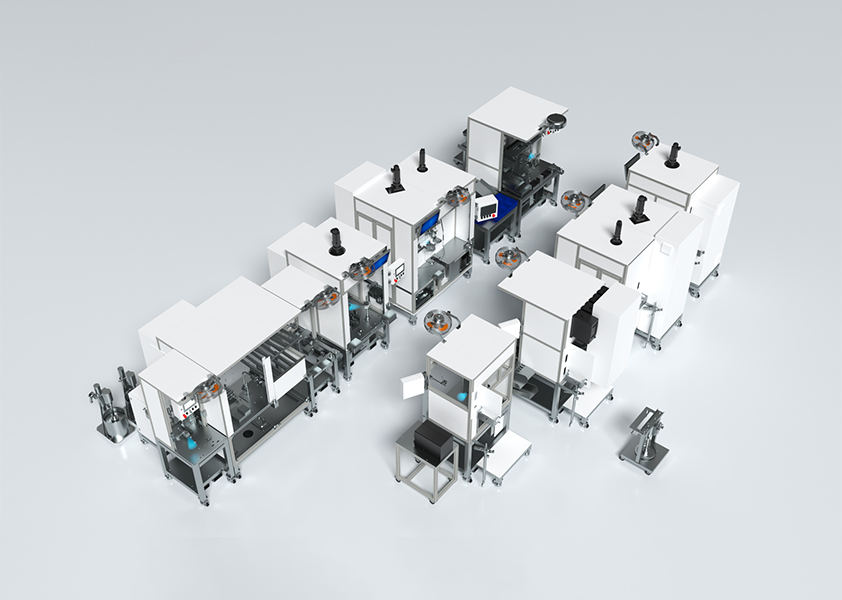
Introduction — the persistent problem
Please allow brief clarity: many projects start with a simple brief and then face cost creep. The common problem is underestimated scope where material flow, safety, and controls become hidden cost centers. For teams evaluating automation, early attention to layout, controls, and serviceability reduces surprises. For reference to the domain context, please review a concise resource on automotive automation that many engineers consult when aligning requirements.

Primary cost drivers identified
Problems begin where assumptions replace specifications. The main drivers are: equipment type and duty; degree of customization; controls, PLC/SCADA and software licensing; integration with existing systems; civil and utilities work; testing and validation time; spare parts strategy and warranty scope. Please note each item directly increases either capital cost or lifecycle expense; none is purely academic.
How technical choices translate into dollars
Choice of conveyor technology matters. Modular chain conveyors cost differently from heavy-duty roller beds when pallet weights and throughput vary. Conveyor speed and precision require different drives and sensors. Integration of vision, robotic pallet handlers, and material tracking increases control complexity. When you plan for full automotive manufacturing process automation, expect higher initial engineering and longer FAT (factory acceptance testing) but smoother commissioning on site. Please treat software architecture as a cost center: bespoke MES links cost more to build and maintain than adopting standard APIs.
Real-world anchor and what it shows
Toyota’s assembly plants in Toyota City, Japan demonstrate practical trade-offs: they favor standard modules and strict specification control to reduce variation. This example shows that repeatability and well-documented interfaces lower lifecycle cost, even if initial design discipline seems strict. Please consider this high-recognition example when you judge supplier proposals that vary widely in approach.
Common mistakes that raise total project value unintentionally
Teams repeat the same missteps: (1) scope omission—omitting temporary works, scaffolding, or site works; (2) late software changes—adding features during commissioning; (3) insufficient spares—ordering no critical spare reduces uptime; (4) ignoring ergonomics—causes later rework for safety; (5) using lowest-price supplier without technical review. These cause schedule slips and claims. Please treat schedule risk as direct cost.
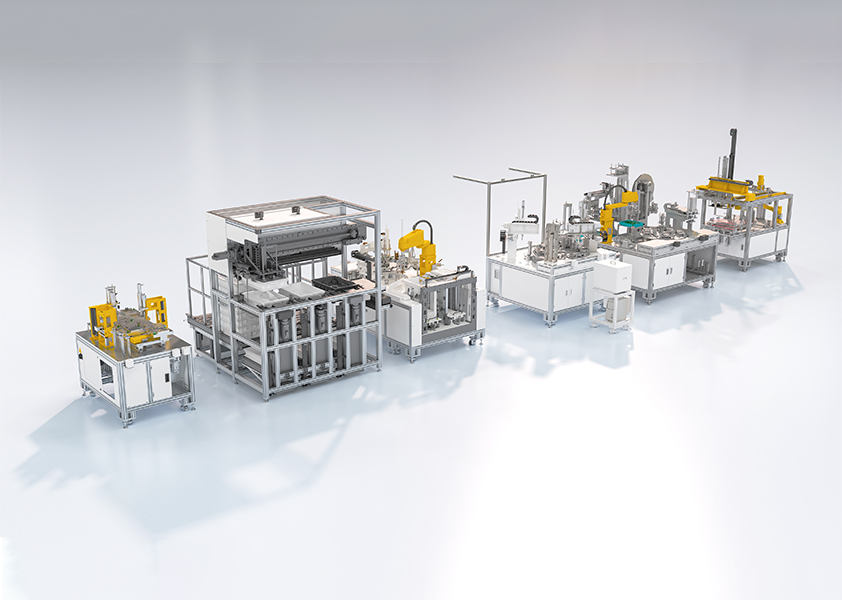
Alternatives and trade-offs you should evaluate
Options exist and each has clear consequences. Manual handling: low capital, high labor cost. Semi-automated conveyors with local robotic cells: medium capital, good flexibility. Fully integrated pallet conveyor systems with centralized controls: higher capital, lower variable cost and predictable throughput. Please compare lifecycle cost (capex + 10 years of opex) rather than purchase price alone.
Practical recommendations — a concise checklist
Please follow these steps to manage cost drivers: define fixed functional requirements first; lock software interfaces early; require supplier FAT with representative load; include civil and utility quotes; specify spares and training in contract; include performance-based acceptance criteria; assign a single technical owner for change control. Simple governance prevents most costly changes.
Synthesis and value alignment
The problem-driven examination shows a clear path: clarify scope; choose technology that matches duty; demand early validation; and make software and spare strategy explicit. These steps reduce surprises and protect throughput commitments. For many engineering teams, the practical reward is predictable project value and reliable operations, as demonstrated by disciplined programs at major OEMs. Please consider how consistent specification and vendor alignment deliver long-term clarity for FHS.
