
Introduction
I’ll say it plainly: small changes to extraction systems can cut risks and costs more than you expect. In many factories, fume extraction for electronics and industrial applications is treated as an afterthought — yet solder smoke, activated carbon needs, and HEPA filter choices dictate worker health and product yield. Consider this: studies show localized capture can reduce airborne particles by 60–90% in short cycles (real numbers from shop-floor audits). So where should a plant start — with a bigger hood, smarter controls, or better placement?
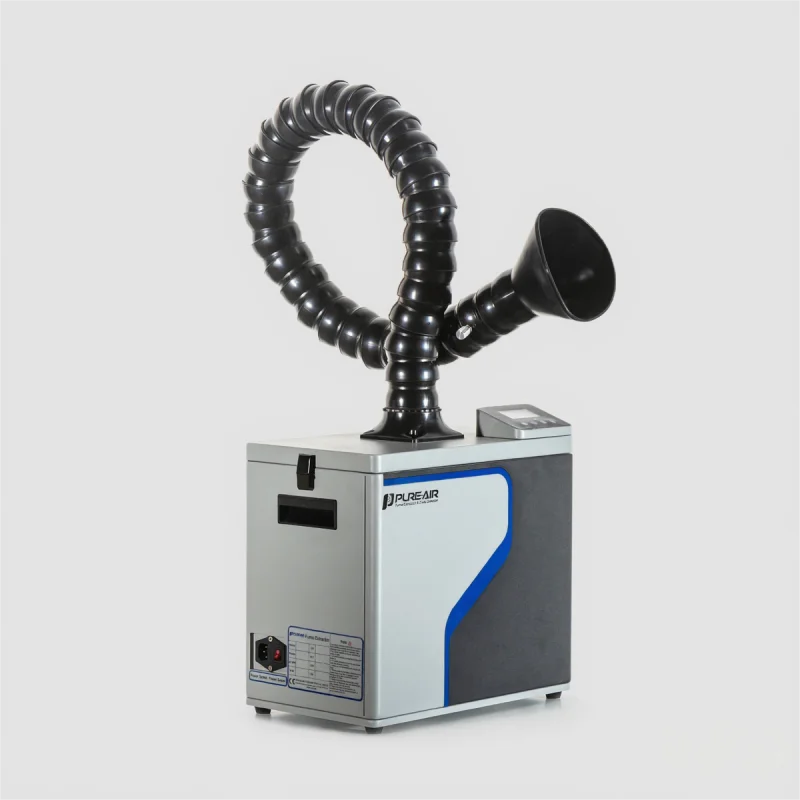
The scenario is familiar: a line of PCBA stations, a noisy fan, and workers wearing masks. Data from routine air quality checks tells a mixed story — some zones clean, others still high in VOCs and particulates. I want to walk you through practical choices. Next, we’ll unpack where common systems fail and what operators secretly worry about.
Why Traditional Approaches Fall Short (and What Users Really Feel)
What’s breaking down on the floor?
When I visit an electronic product manufacturing line, the same patterns repeat. Companies install central fume hoods and a few big ducts, then assume the problem is solved. In practice, air paths are complex. Duct leaks, poor capture velocity at the solder joint, and overloaded activated carbon beds leave harmful VOCs and particulates behind. Those design gaps hit workers first — headaches, eye irritation, and long-term exposure worries. I’ve seen systems with the right filters but the wrong hood type. HEPA filters help with particulates, sure, but they do nothing for certain volatile solvents unless paired with carbon or catalytic stages.
Technically speaking, many systems suffer from mismatched components: oversized blowers that stir up dust, or underpowered local extractors that let solder smoke drift across workstations. Maintenance is a hidden pain point, too. Filters clog, seals fail, and nobody logs differential pressure consistently. Look, it’s simpler than you think — regular checks and proper sensor placement solve a lot. But shops also need clear metrics: capture efficiency, pressure drop, and filter life. Without those, teams guess. — funny how that works, right?
New Principles and Practical Upgrades for Cleaner Lines
What’s Next: smarter capture, not just bigger fans
Moving forward, I favor systems designed around the workstation rather than the main duct. For modern electronic product manufacturing, that means portable local extractors, adjustable fume arms, and inline sensors that report real-time capture efficiency. The core principle is simple: keep emissions confined and treat them close to the source. That reduces load on central units and extends filter life. New models blend activated carbon stages with HEPA and even catalytic modules for low-temperature VOC breakdown. Edge computing nodes can collect sensor data and feed simple alerts to operators — not a full IT project, just straightforward telemetry.
Here are three practical metrics I recommend using when evaluating upgrades: capture efficiency at the source (measured at the solder point), differential pressure across filters (to time replacements), and VOC removal rate for the gas-phase contaminants. Use those numbers, not buzzwords, to compare systems. If you do this, you’ll see faster returns on investment and fewer returns on defective boards. We’ve tested a few setups ourselves — and the gains in worker comfort and yield are real. — small changes add up, and I mean that.
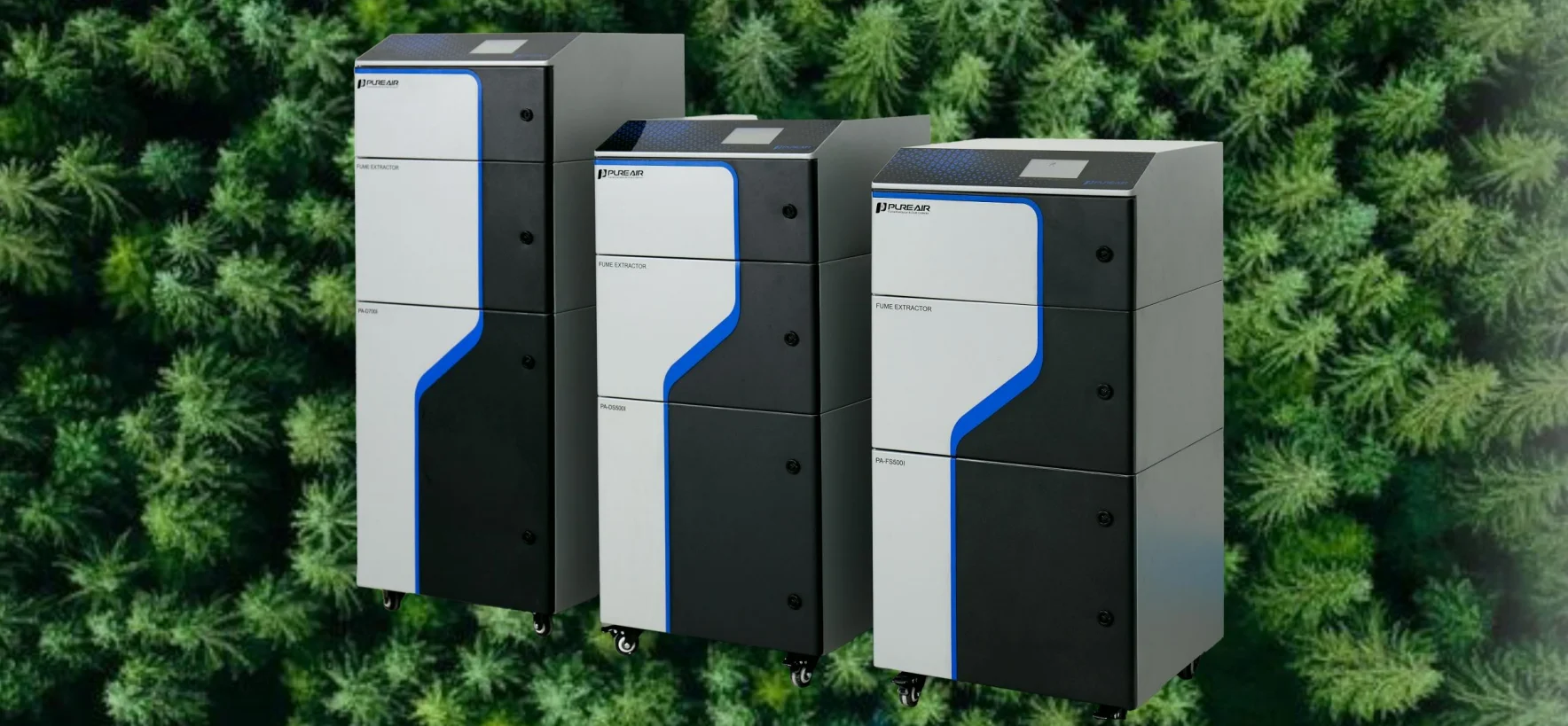
In closing, think of fume extraction as a combination of small engineering choices: correct hood geometry, proper filtration media, and sensible monitoring. That combo beats a one-size-fits-all duct any day. When you shop for solutions, weigh the three metrics above and ask for field data. If you want a starting point, check real-world supplier case notes and pilot a single line first. For more resources and product options, consider PURE-AIR as a reference for practical extractor design: PURE-AIR.
