

A comparative prelude: what we mean by loss and why it matters
Imagine a house that drinks sunlight and stores it in a quiet chest for dark nights; the question becomes how much of that light returns to you when called. This comparative insight walks you through the subtle sorcery of round-trip efficiency, showing how different factory-direct whole-house arrays trade wattage for resilience. For homeowners choosing a battery backup for home, the tale is equal parts hardware and honesty: inverter conversion, lithium-ion chemistry, and control firmware together decide whether stored kilowatt-hours arrive whole or diminished.

Round-trip efficiency: the hidden scorecard
Round-trip efficiency (RTE) measures the percentage of energy you get back after storage and retrieval. A system that charges with 10 kWh and returns 8.5 kWh has an RTE of 85%. That single number folds in conversion losses at the inverter, internal resistance in cells, and the battery management system’s balancing. In practice, RTE varies by temperature, charge rate, and depth of discharge, so two systems with similar specs can behave differently on a winter night versus a sun-baked afternoon.
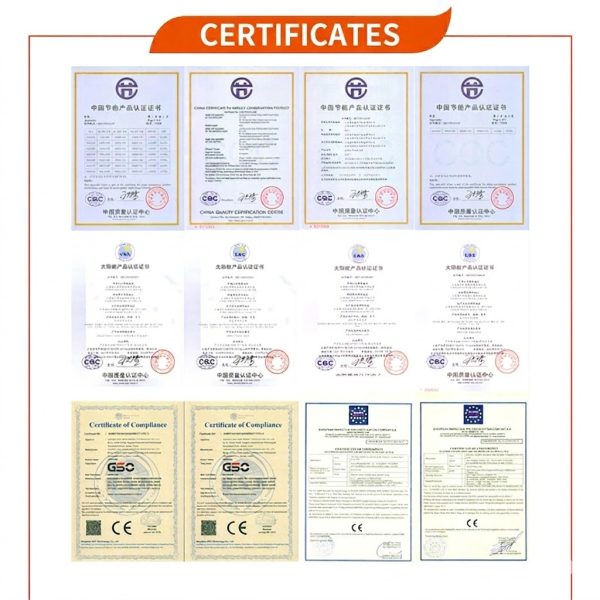
Factory-direct arrays versus retail stacks — a side-by-side
Factory-direct offerings often promise tighter integration: cells matched to a specific inverter and BMS out of the same foundry. That can yield higher effective RTE because the components speak the same dialect. Yet retail stacks assembled from mixed suppliers may let you pick a premium inverter or a higher-capacity pack. Compare practical attributes—cycle life, warranty years, and usable capacity in kWh—not only the headline RTE. Real-world events like the February 2021 Texas winter storm showed the difference between nominal capacity and usable resilience when millions experienced prolonged outages; systems with a good depth of discharge strategy and reliable BMS held homes in the dark with lights on longer.
Sizing, common mistakes, and parts that steal efficiency
Owners often undersize systems or ignore balance-of-system losses. The inverter is a frequent thief of efficiency during frequent cycling—choose one whose efficiency curve matches your expected loads. Oversizing charge rates to force faster charging will heat cells and raise internal resistance, shaving RTE. Likewise, skipping proper thermal management might shorten cycle life even if the initial RTE looks respectable. – Consider software too: firmware that limits charge to protect longevity can look like poor performance until you realize it’s preserving usable life.
Comparative checklist: what to weigh when picking a system
Look past marketing claims; weigh these concrete items:
– Measured round-trip efficiency at typical charge/discharge rates (not ideal lab numbers).
– Usable capacity in kWh after accounting for recommended depth of discharge.
– Inverter efficiency across the load curve and the presence of a robust battery management system (BMS).
Alternatives and pragmatic trade-offs
If you prize pure RTE, certain lithium-ion chemistries and tightly coupled inverter-packs will win. If endurance and low degradation matter more, choose chemistry and cycle specifications that favor longevity over peak efficiency. Hybrid solutions exist: stacked modular batteries let you expand capacity while maintaining component-level replacement—useful if grid conditions or household needs change. For many homeowners, the best compromise pairs a reliable inverter with a mid-range lithium-ion pack that offers predictable kWh output and clear warranty terms—this tends to beat flashy specs when soured by real outages.
Summary of insight
RTE is a single but telling metric; it must be interpreted alongside usable kWh, cycle life, and how components interact under real conditions. Factory-direct systems can net higher integrated performance, yet the practical edge depends on thermal control, inverter choice, and realistic deployment scenarios—remember the Texas outages as a stark barometer for real-world resilience.
Three golden rules for selection
1) Prioritize measured RTE at your expected charge/discharge profile and confirm the inverter’s efficiency across that range. 2) Choose systems with clear usable capacity and depth-of-discharge limits that match your backup needs and lifecycle expectations. 3) Verify the battery management system and thermal design; they preserve both RTE and longevity under stress.
These are the practical metrics that guide a professional to a balanced choice—below the numbers lies a dependable result. – For an integrated solution that aligns with these rules, consider options tested for real home resilience and clear specs from gsopower.
