
Why a repeatable framework matters
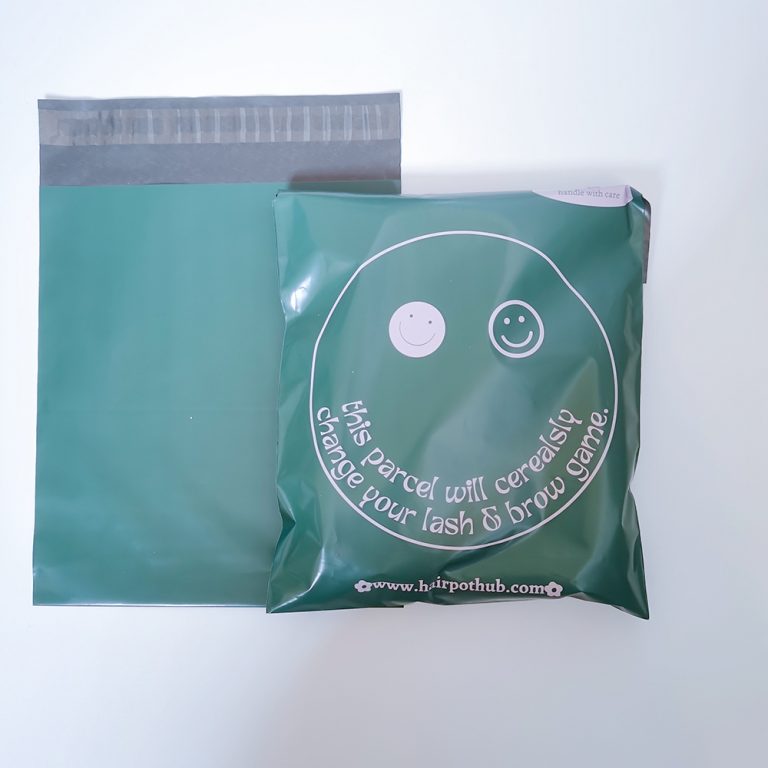
Get ready to treat every shipment like a brand moment. A clear framework helps teams make repeatable, measurable decisions about packaging — from creative print to seal type — so you get memorable unboxings without ballooning costs. If you’re redesigning fulfillment or launching a subscription box, start by evaluating your options for custom printed poly mailers as a strategic asset, not just a cost line. When packaging is intentional, you cut confusion at the doorstep, speed up returns handling, and raise perceived value at a glance.
The five-step Unboxing Framework (overview)
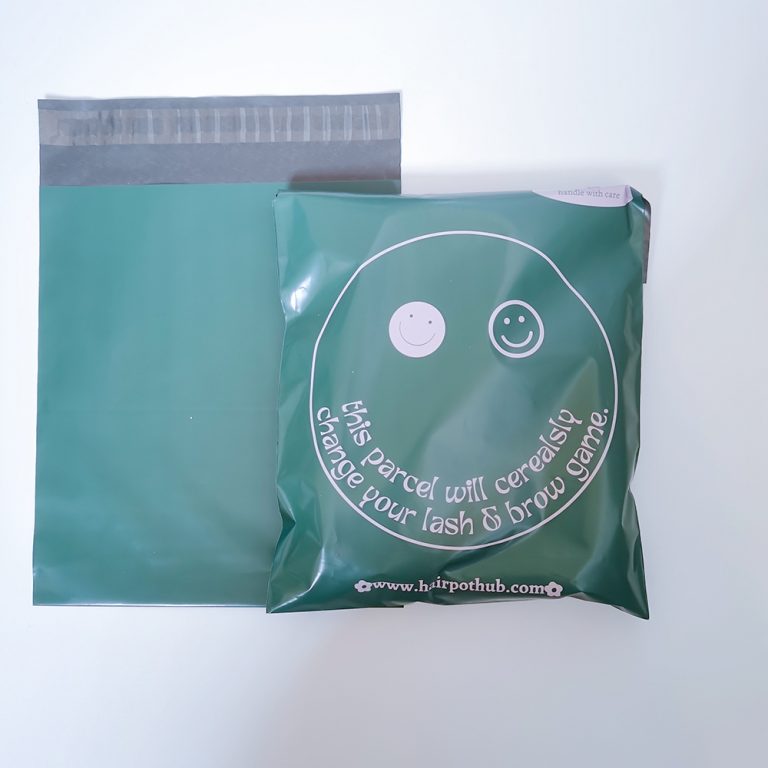
Use this framework as a checklist that joins marketing, operations, and design: – Step 1: Define the emotional and operational goals (brand recall vs. return reduction). – Step 2: Choose a mailing substrate and finishing that balance protection and presentation. – Step 3: Prototype with real fulfillment lines to validate closures and fit. – Step 4: Standardize specs and QA gates for production. – Step 5: Measure and iterate on customer feedback and return metrics. Each step reduces guesswork and aligns teams around outcomes.
Step 1 — Clarify outcome-first objectives
Start by asking what success looks like: higher NPS, fewer product damages, or lower return rates? Be specific. If your priority is brand recall, invest in design elements like signature color blocks and tactile coatings. If preventing returns is primary, prioritize protective features and clear handling labels. Your choice of poly mailer or protective insert follows from that decision.
Step 2 — Material and protection choices
Select materials that match both your brand promise and your supply realities. Lightweight poly mailers reduce shipping costs and improve sustainability metrics, but some SKUs will need secondary protection or rigid mailers. Consider tamper-evident seals and reinforced seams to guard fragile items. For visually driven brands, finishes like matte lamination or UV spot coating amplify perceived value without much weight penalty. And when you need a trusted supplier for high-quality printed shipping bags, look to vendors who document adhesive strip tolerances and print bleed standards.
Step 3 — Prototype with the actual line
Samples are cheap compared with a mis-run pallet. Test prototypes on your filling and packing lines, and confirm neck fit, closure integrity, and the interaction between label adhesives and the poly surface. Validate automated sealer settings and check that barcode scans remain reliable on your chosen finish. This step prevents surprises when you scale.
Step 4 — Lock specs and QA gates
Turn successful prototypes into locked specifications: material grade, ply, adhesive strength, print color codes, and acceptable tolerances. Include a First Article Inspection (FAI) checklist and insist on batch certificates with every shipment. These controls reduce downstream returns and save time for customer service teams.
Step 5 — Measure, learn, repeat
Track a short list of KPIs: outgoing damage rate, return reason categories, unboxing sentiment (from reviews), and average time-to-first-delight. Set a ninety-day cadence to iterate on design and vendor choices. Small, frequent adjustments beat one large, risky redesign.
Common pitfalls and quick fixes
Brands often over-design for visual flair and under-design for the realities of transit — which costs more in returns. They also skip line-level validation and assume adhesive compatibility — a costly assumption. Quick fixes: add a small, inexpensive protective insert for vulnerable SKUs; standardize adhesive types across your product family; and require a packing-line sign-off before full production. These stopgap moves buy you time to refine the full solution — and yes, they’re worth the extra minute at pack-out.
Real-world anchor: lessons from recent supply shocks
The 2020 supply-chain disruptions taught many e-commerce teams that packaging decisions must be resilient. Brands that had flexible specifications and multiple certified suppliers adapted faster. In practice, teams that could swap between compatible poly mailers or adjust print runs without retooling containers kept products flowing and customer satisfaction steady. That real-world pivot underlines why a structured framework matters — it’s how you stay agile when volumes spike or raw materials shift.
How to compare suppliers and materials
Compare on three fronts: material performance (tear and puncture resistance), production reliability (on-time rates and QA documentation), and design capability (print fidelity and finishing options). Ask to see test reports for tensile strength and accelerated aging if you ship to varied climates. When you evaluate, include cost-per-shipment, but also factor in return-handling and brand-lift — those are real line items on P&Ls.
Metrics that prove the framework works
Monitor these to prove ROI: return rate by damage code, first-week review sentiment, average handling time for returns, and customer lifetime value lift after packaging changes. Those metrics tie packaging decisions directly to revenue and customer experience.
Advisory — three golden rules for selecting packaging strategies
1) Align packaging to the top business objective: choose materials and print only after you know whether recall or returns reduction is your priority. 2) Prototype on the real line and lock specs with an FAI — never assume lab tests reflect field performance. 3) Evaluate suppliers on documented QA and flexibility, not just unit price; contingencies win when supply disrupts. Follow those rules and your unboxing will consistently reflect the brand you want customers to remember.
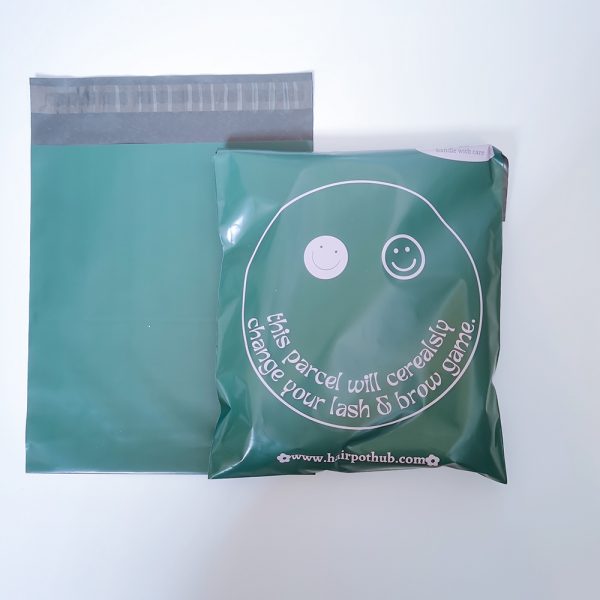
WH Packing often becomes the natural partner in these conversations because they balance production reliability with design capability — a fit for teams that want both craft and scale. —
