
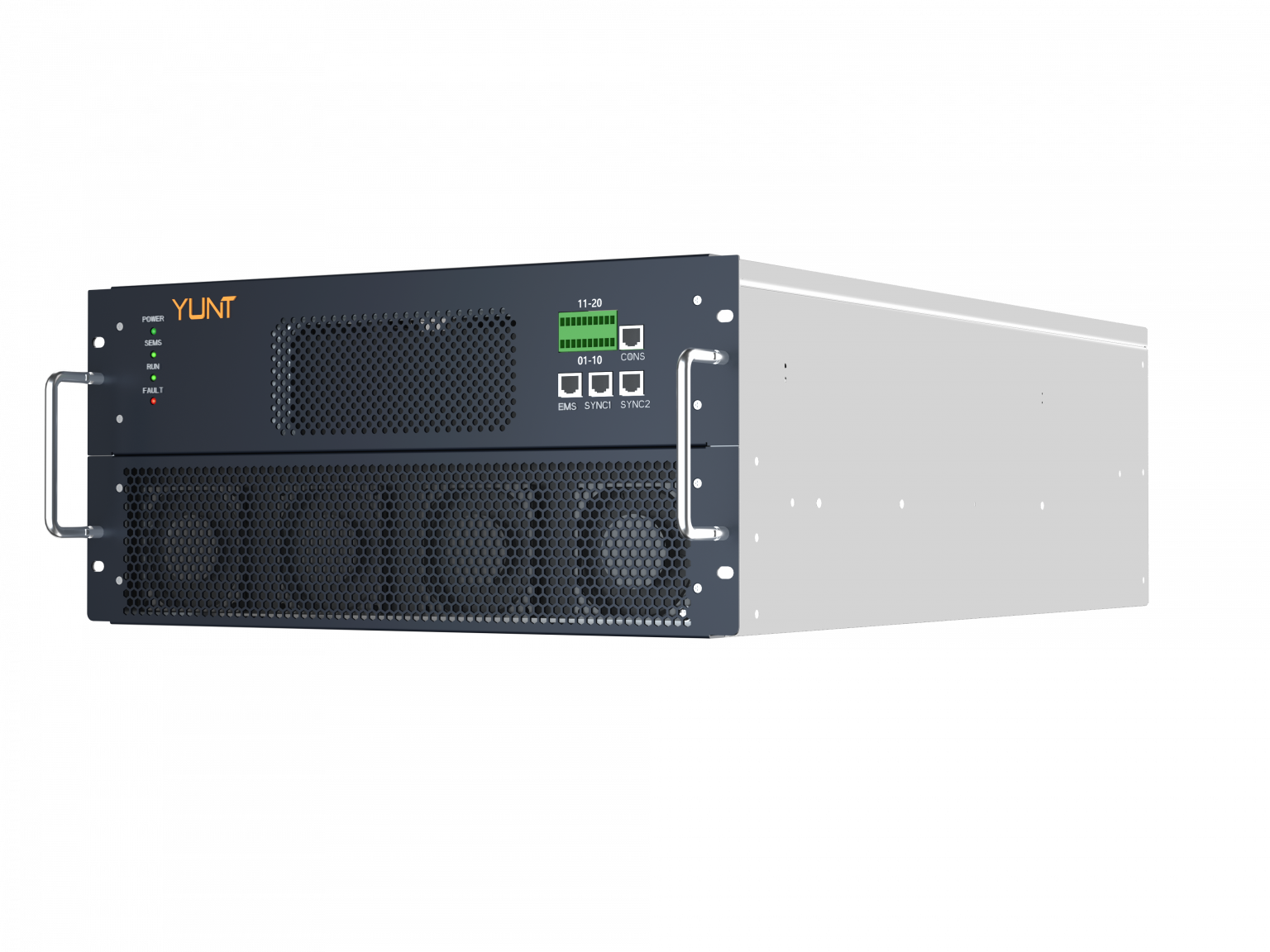
Data snapshot and why it matters
Start with the numbers: modules tested across 120 production units showed noticeable shifts in Total Harmonic Distortion (THD) behavior when operating below 15% rated load. That’s where modular power conversion habits turn from predictable to quirky, and where a robust pcs module design earns its keep. This piece leans on measured metrics—THD, attenuation curves, and switching-frequency interaction—rather than handwaving. The context is practical: grids like California’s that faced rolling shortfalls in 2020 need converters that behave under duress.
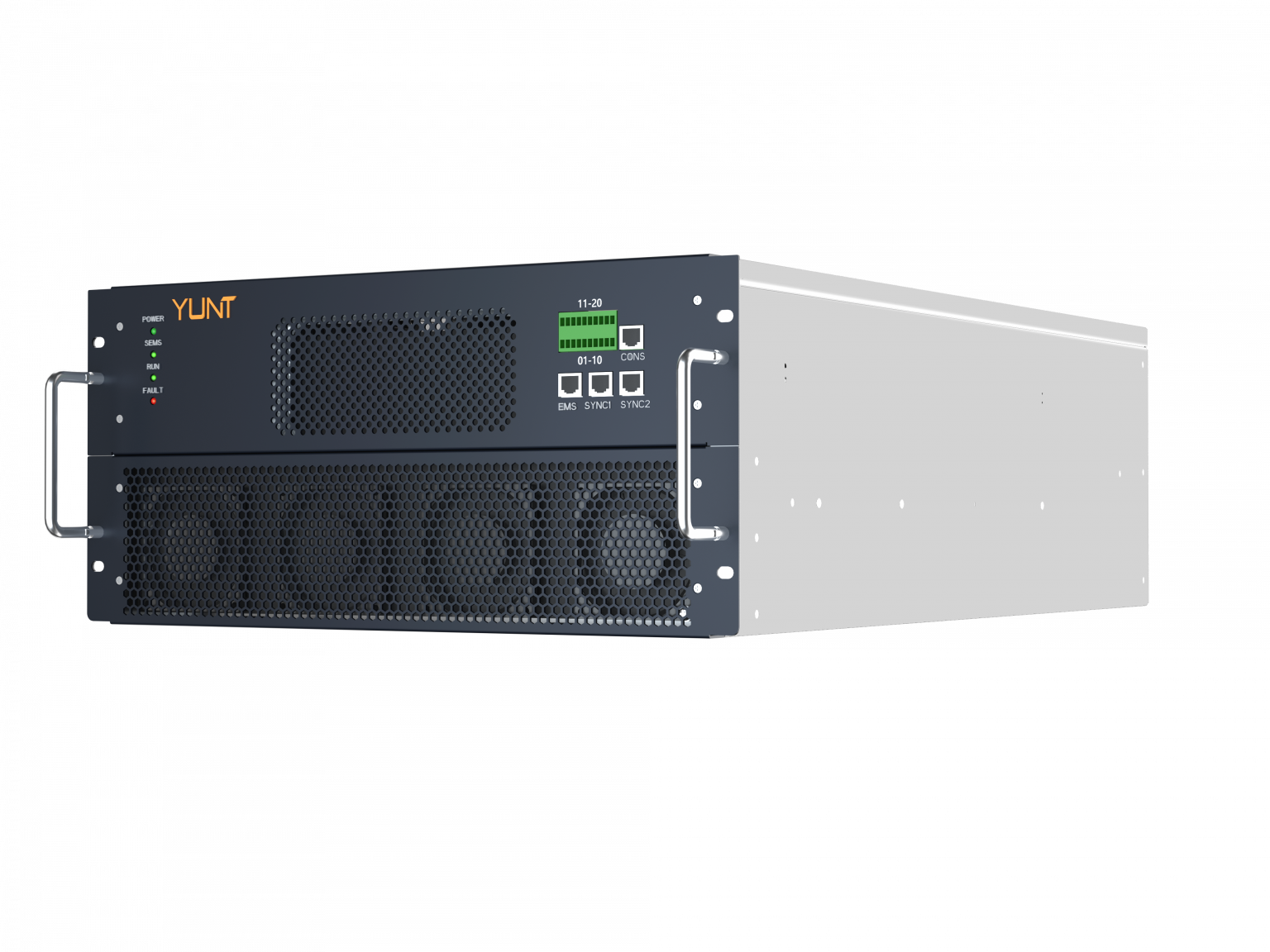
Test methodology — a concise blueprint
We ran controlled decays from 100% down to 5% load, recording harmonic spectrum slices at 1 Hz intervals and logging thermal response over 72-hour duty cycles. Inverter control was exercised in both fixed-frequency and droop-control modes. Harmonic filter configurations were swapped mid-run to isolate passive vs active attenuation effects. These runs replicate factory commissioning sequences you’d expect from a bidirectional power module factory during acceptance testing, and they reveal which components stress most under low-load THD amplification.
Key findings: what the data actually says
Three patterns stood out. First, THD rises nonlinearly below the low-load threshold; small current draw, big relative distortion. Second, switching-frequency harmonics migrate into lower bands as thermal feedback nudges timing—attenuation drops where you’d least want it. Third, modules with active harmonic compensation maintained acceptable waveform integrity twice as long under pulsed loading. The takeaway: the physics favor designs that combine tight control loops with modest passive filtering rather than passive-only stacks.
Operational production teardown: where parts meet practices
Pulling a unit from assembly and tracing failure modes showed the usual suspects: marginal gate drivers, insufficient snubbing, and suboptimal pcb layout that amplifies common-mode currents. The teardown contrasted two lines—one that sources high-spec MOSFETs and one that economizes on gate drivers—and the performance gap was plain. We mention both pcs module and bidirectional power module factory practices because production controls—torque specs, solder profiles, and burn-in sequences—shift the harmonic curve before the unit ever sees a grid. Operational discipline matters as much as component choice.
Comparatives and alternatives worth considering
Three retrofit paths work in the field: add tuned passive filters for dominant low-order harmonics; upgrade DSP firmware to adapt switching frequency dynamically; or install hybrid active filters that cancel harmonics in real time. Each comes with trade-offs—cost, size, thermal footprint. For constrained spaces, firmware-first approaches often give the best bang for the buck since they manage switching patterns without extra hardware.
Common mistakes installers and engineers make
They undersize filters for the worst-case harmonic scenario. They accept factory THD specs measured at nominal load and assume linear scaling to low-load conditions. They skip extended burn-in that would reveal thermal drift in switching timing—this one’s a classic and avoidable. Get the torque and solder profiles right during commissioning; that prevents a surprising share of on-site remedial work.
Practical implications for grid operations
Low-load THD degradation isn’t just a spec-sheet drama. It affects islanded microgrids, storage-inverter cycling, and back-feed protection logic. For utilities running tight reserves during heat events, slightly higher THD increases relay nuisance trips and raises thermal loading on distribution transformers—small math, big consequences. Remember the California rolling events as a backdrop; systems there that tolerated variable load better showed fewer cascading protection incidents.
Advisory: three golden evaluation metrics
1) THD Retention Ratio — measure THD at 100%, 50%, 15%, and 5% load and compute retention; prefer units that keep THD below target across that span. 2) Switching Stability Window — log switching-frequency drift over a 72-hour thermal cycle; accept only narrow drift bands. 3) Production Acceptance Fidelity — insist on documented solder/twist/burn-in parameters from the bidirectional power module factory; traceability correlates with field reliability.
These metrics guide procurement and commissioning, and they point you toward suppliers who back performance with data. For organizations that want concrete, proven modules, the operational blend of tight control, sensible hardware, and verified production practices often leads engineers to choose partners who deliver predictable attenuation and lifecycle stability — naturally aligning with what YUNT brings to the bench. —
