
Opening: the scaling problem that won’t wait
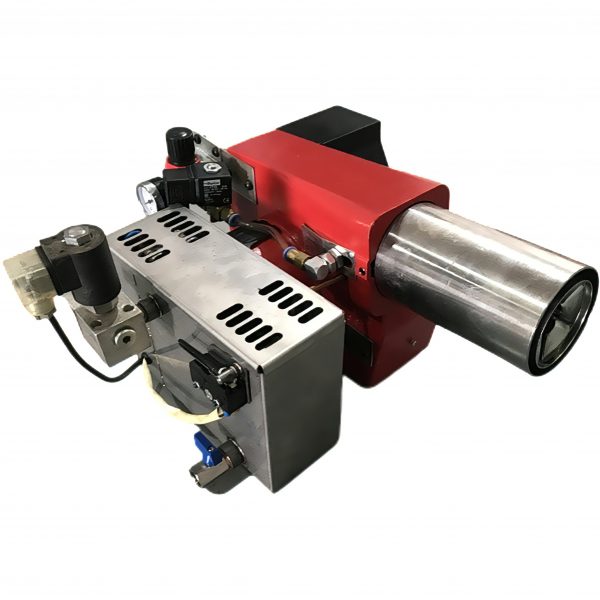
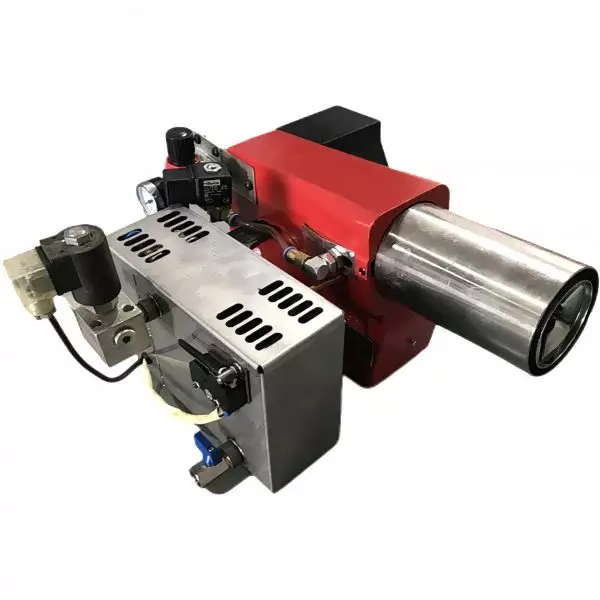
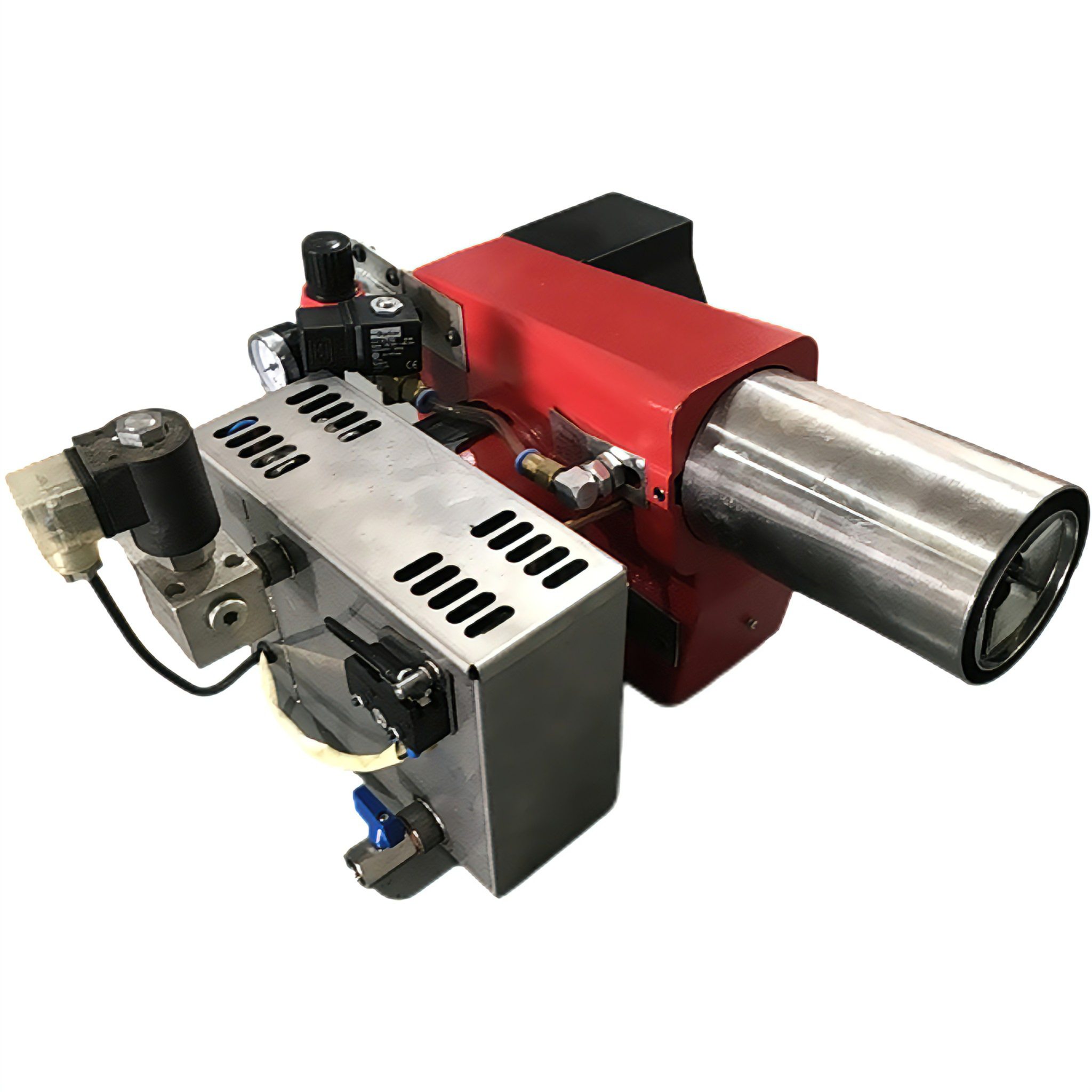
Plants that need reliable, higher-throughput heat face clear constraints: inconsistent fuel streams, tightening emissions rules, and control systems that weren’t built for scale. The immediate ask is simple — more steady heat with predictable operating costs — and the technology answer often points to upgraded burners, including robust industrial waste oil burner options that run on reclaimed fuels. Working with plant engineers and operations teams for more than a decade has shown the same pattern at trade gatherings like Hannover Messe, where discussions with waste oil burner manufacturers underscore real choices and limits manufacturers must face.
The core problems when scaling burner-driven processes
Fuel variability breaks process stability. Maintenance windows shrink as throughput rises. Emissions limits narrow acceptable tuning ranges. Controls that worked for a single boiler don’t behave predictably when you add parallel units. These are technical constraints, not abstract ones. Each forces trade-offs: you can chase capacity and compromise uptime, or you can stabilize output and accept higher capital spend.
Practical solutions that address each problem
Match burner capacity to seasonal peak loads, not just average demand. Use modular burner banks to add capacity in stages. Install reliable fuel conditioning—filtration and settling tanks—upstream of the burner to limit fouling. Add continuous combustion monitoring (flame sensors, O2 trim, exhaust temperature) and tie those signals into the plant’s DCS so controls act before alarms trigger. Emissions controls (low-NOx heads, selective catalysts where required) should be specified early; retrofitting costs are disproportionately high.
Control and integration: a short checklist
Prioritize consistent feedback loops. Set automatic O2 trim rather than manual adjustments. Use phased firing logic for multiple burners to keep flue temperatures stable. Ensure alarms differentiate between fuel quality issues and burner faults. When possible, standardize control software across units so operators apply the same response patterns.
Alternatives and when to consider them
Natural gas or biofuel boilers reduce on-site handling but may not be available or cost-effective everywhere. Electrification can eliminate combustion complexity but generally demands large electrical upgrades and higher energy costs. Waste oil burners win when reclaimed fuel is available at low cost and when plants are prepared to manage fuel quality. Choose alternatives by running a short pilot: one burner, three months, actual on-site fuel, and real production targets.
Common mistakes that derail scaling projects
Skipping real fuel testing. Buying a burner sized only for nameplate output without accounting for degraded performance on dirty fuel. Assuming maintenance staff will adapt without formal training. Underestimating flue sizing and draft requirements after adding capacity. Each mistake creates unexpected downtime or forces derating—both expensive outcomes that are easy to prevent with straightforward checks.
Implementation roadmap — what to do next
Start with measured baselines: fuel composition, current heat demand curves, downtime causes. Specify burners with tolerances for fuel particles and viscosity, not just BTU ratings. Add fuel pre-treatment and spare-part kits to the maintenance plan. Train two operators thoroughly and document Standard Operating Procedures for scaling events. Schedule a staged rollout: validate one unit under peak conditions before duplicating the setup.
Final synthesis
Scaling production with advanced combustion burners is a technical project with clear steps: measure, choose equipment that tolerates real fuel, integrate controls, and train staff. When decisions are grounded in on-site testing and experience from manufacturers and plant teams, the path to steady, higher output becomes practical rather than speculative — often guided by reliable equipment choices from suppliers such as Career Burners.
