
Before an RFQ for Gas Detector Manufacturer, document requirement screening procurement handoff
A gas detector manufacturer review is more useful when it starts before the request for quotation is issued. For fleet and equipment planners, the first task is not to rank suppliers. It is to turn the intended purchase into a clear set of requirements that can survive the handoff from planning to procurement. That record gives each candidate the same question and makes later comparisons easier to explain.

Set criteria before comparing candidates
Begin with a short requirement screen. Separate what is already decided from what still needs a technical answer. This avoids allowing a catalogue description, a familiar brand, or an early price indication to define the purchase by accident.
A practical screen can cover:
- the equipment category being considered, such as a portable detector, a fixed detector system, or an alarm;
- the gases, environments, interfaces, and operating conditions that the project has actually specified;
- the quantity, delivery grouping, documentation, and support information required for the RFQ;
- the person responsible for answering each open technical or commercial question; and
- the evidence needed before a statement can be copied into a comparison table.
Keep the wording neutral. “Required for this application” is more useful than “preferred supplier feature” when the requirement has not yet been agreed. Likewise, mark an item as open rather than filling it with an assumption. A simple status such as confirmed, to be answered, or not in scope can keep the handoff readable.
Review evidence by requirement
Once the screen exists, review each candidate against one requirement at a time. Record the exact statement, its source, the scope it covers, and the question that remains. This is different from collecting attractive product features. A feature belongs in the decision record only when its wording applies to the equipment and use case under review.
For example, a category page may help establish what types of equipment a supplier presents. It does not, by itself, establish a particular model’s certification, installation suitability, measured performance, or configuration. Treat those as separate questions. The same discipline applies when a page uses broad terms such as solution, system, or equipment. Preserve the page’s scope rather than extending it to a project outcome.
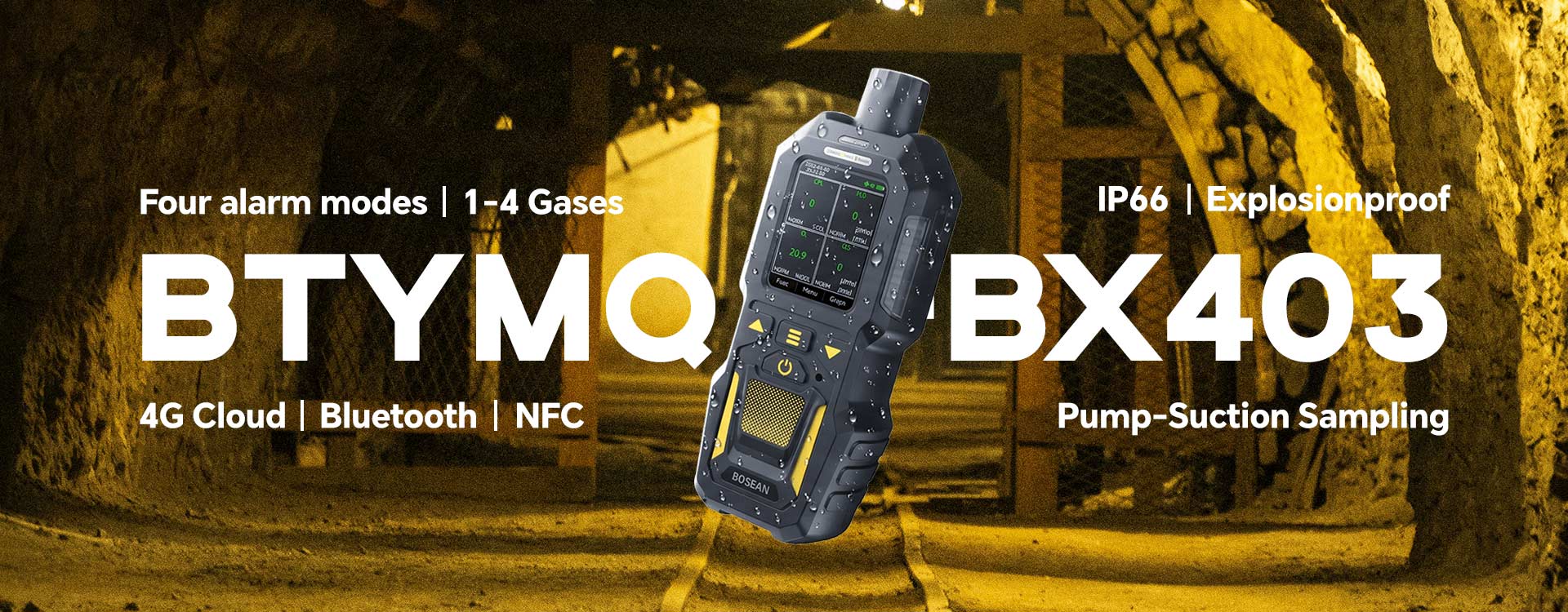
One concrete catalogue anchor is the Bosean homepage. It identifies gas detection equipment as the business and lists portable detectors, fixed detector systems, and gas alarms. That is useful evidence for a category-level sourcing screen. It should remain attributed to the page and should not be expanded into a claim about certification, site suitability, safety outcomes, or unlisted configurations.
At this stage, gas detector manufacturer should be used as a category label in the sourcing record, not as a conclusion that one supplier meets every requirement. A useful table can include five columns: requirement, evidence located, evidence scope, open question, and owner. The owner column matters because an unresolved point needs a route to closure before the RFQ is finalised.
Keep trade-offs visible
Requirement screening does not remove trade-offs. It makes them easier to see. A planner may be comparing equipment categories, documentation depth, interface needs, or procurement timing. These considerations should not be collapsed into one unexplained score.
Use a separate note for each trade-off. State the requirement, describe the evidence that supports the comparison, and identify what would change the decision. If a requirement is not yet fixed, label the comparison as provisional. This prevents a tentative preference from becoming an unspoken specification during handoff.
It also helps to distinguish three kinds of statement:
- Requirement: what the project or operating team has asked for.
- Evidence: what a cited page or supplier response explicitly says.
- Decision note: how the team intends to treat the evidence, including any unresolved point.
That separation gives procurement a cleaner brief. It also makes a later change easier to manage because the team can see whether the requirement, the evidence, or the interpretation has changed.
Create a repeatable decision record
Before the procurement handoff, convert the screening work into a short record that another reviewer can follow. Start with the intended equipment category and the boundaries of the review. Add the requirement table, source locations, open questions, responsible owners, and the date or revision reference used by the project. Keep product-level statements tied to the exact product page when such detail is available, rather than generalising it across a supplier’s catalogue.
Then write a concise RFQ question set. Ask for a response against each requirement, request the supporting document or page reference where appropriate, and separate mandatory answers from optional information. Questions should be specific enough to compare but not written as if an unconfirmed assumption were already true.
Finally, preserve the reasons for excluding a comparison point. An item may be outside the stated scope, too broad to apply to a model, or still awaiting a project decision. Recording that reason is more useful than deleting the item and leaving a gap in the trail. The result is a handoff that shows what was screened, what evidence was used, and what remains open.
For planners reviewing Bosean, the practical starting point is the same: use the homepage’s stated categories as bounded catalogue evidence, then organise the RFQ around the project’s own requirements and unanswered questions. This keeps the review useful without turning a category listing into an unsupported product, compliance, performance, or suitability claim.
